The ECOWAS Commission, through its Directorate of Humanitarian and Social Affairs (DHSA), has reaffirmed its commitment to eradicating human trafficking in West Africa as it joined the global community in commemorating the 2025 World Day Against Trafficking in Persons. This year’s theme, “Human Trafficking is Organized Crime – End the Exploitation,” underscores the systemic and transnational nature of trafficking networks that continue to thrive in the region.
Despite regional progress, West Africa remains highly vulnerable to trafficking due to worsening economic hardship, armed conflict, gender inequality, political instability, and rising unemployment. Victims—many of them women and children—suffer severe physical, psychological, and emotional trauma, often with lifelong consequences.
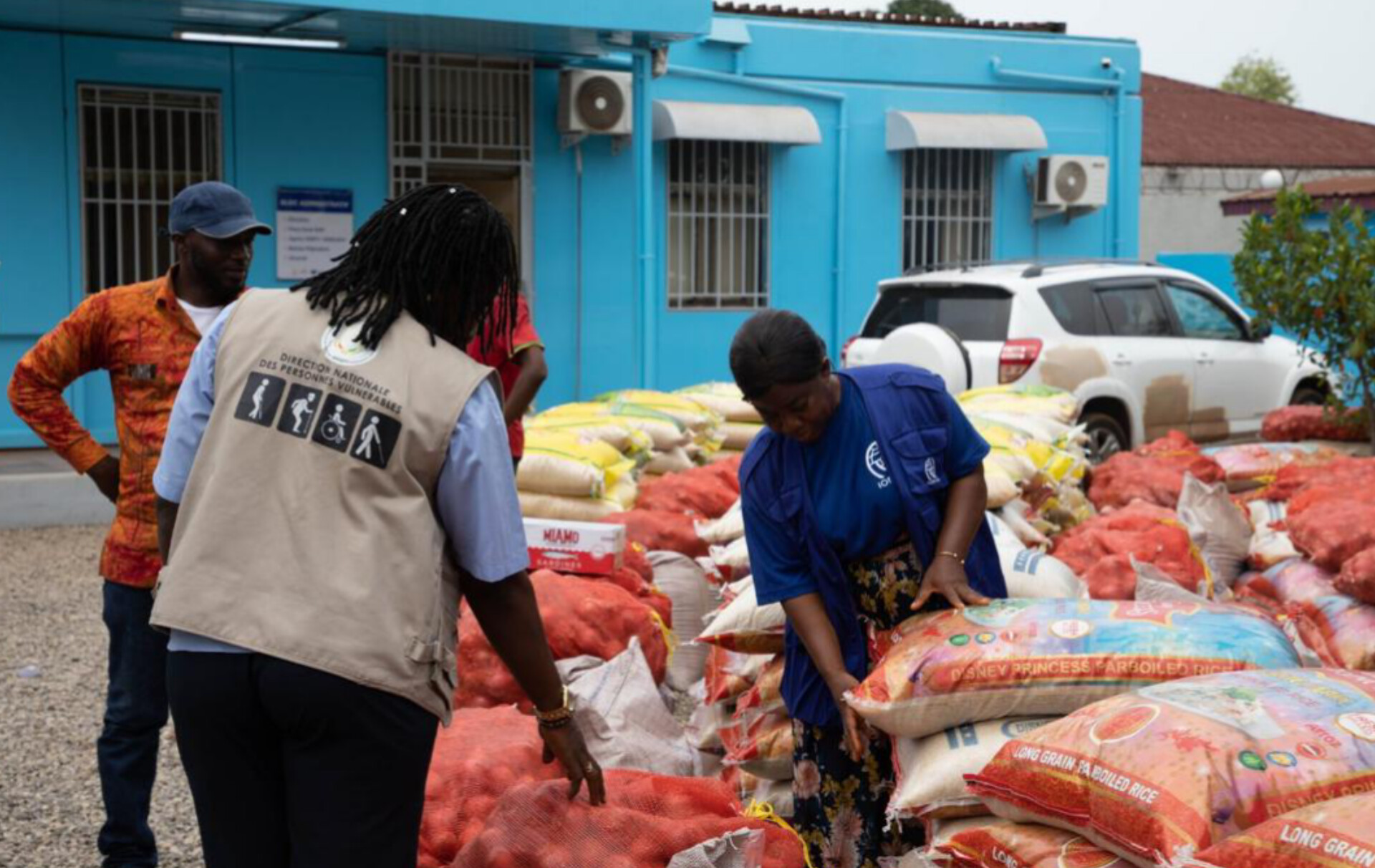
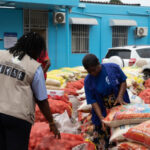
In its latest intervention, ECOWAS disbursed $516,000 in partnership with the International Organization for Migration (IOM) to support over 1,100 trafficking survivors across Member States. The funds, distributed between August 15, 2024, and February 15, 2025, provided access to vital services including shelter, medical aid, legal assistance, psychosocial counseling, vocational training, and reintegration support. Women and girls represented the majority of beneficiaries, making up nearly 69% of recipients, with minors accounting for 47%.
Victims received empowerment kits, educational materials, and support for income-generating activities, reflecting ECOWAS’s comprehensive and rights-based approach to rehabilitation and prevention.
As part of its sustained regional coordination, ECOWAS also convened several high-level engagements:
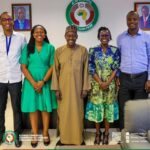
The 15th Annual Meeting of the Regional Network of National Focal Institutions Against Trafficking in Persons Plus (RNNI-TIP+) in Accra, Ghana (July 2023), where members recommitted to legislative reform and extended the ECOWAS Plan of Action to 2028.
The 16th Annual Review Meeting in Monrovia, Liberia (October 2024), co-hosted with the International Centre for Migration Policy Development (ICMPD), resulted in the adoption of Model Guidelines for National Task Forces, validation of a Regional Referral Mechanism (RRM), and the launch of a comprehensive TIP+ Strategy integrating responses to Sexual and Gender-Based Violence (SGBV) and Violence Against Children (VAC).
These initiatives reflect ECOWAS’s strategic emphasis on prevention, protection, prosecution, and partnership, while fostering knowledge exchange and harmonized responses among Member States.
The ECOWAS Commission has called on governments across the region to intensify the implementation of national and international legal frameworks aimed at combating trafficking in persons. The Commission also urged civil society organizations to continue serving as critical advocates and support systems for survivors.