In the heart of Liberia’s capital, a haunting scene unfolds. The once-sacred grounds of the Central Street Cemetery have become a shelter for despair—home to an estimated 500 drug users, including children and pregnant women. The cemetery, now overwhelmed by rot, rubble, and the stench of neglect, paints a grim picture of Monrovia’s mounting drug crisis.
This distressing reality was laid bare when a delegation from the ECOWAS Parliament visited the site amid torrential rain. The visit was part of a regional awareness campaign aimed at combating drug abuse.
One resident, referred to as A.B., approached the delegation with outstretched arms before being held back by security. “We are hungry, and we need medical care!” echoed the voices of dozens gathered in the filth-strewn graveyard.
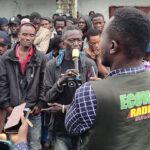
The delegation’s next stop was King Gray, another impoverished area where addiction has taken root among crumbling tombs and squalor. Waves from the nearby ocean crash against the shore, but even they cannot wash away the suffering etched into the faces of those who call these forgotten places home.
Amid this public health and humanitarian crisis, Liberian authorities say they are stepping up their response. According to the Liberian Drug Enforcement Agency, a total of 9,651 kilograms of illegal substances—including marijuana, heroin, cocaine, tramadol, krush, and drug precursors—were seized between June 2024 and June 2025. The street value of the confiscated drugs is estimated at $4.96 million.
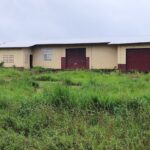
To tackle the crisis head-on, the government is ramping up rehabilitation efforts. At the Bentol Youth Camp, located roughly 40 kilometers from the capital, a large-scale recovery program has been launched. The camp has the capacity to house up to 1,500 individuals undergoing treatment. In a promising development, construction is underway on a new neuropsychiatric hospital on a sprawling 50-hectare site nearby.
In addition to public efforts, private citizens are also taking action. One longstanding rehabilitation center on the outskirts of Monrovia, founded over 30 years ago, continues to provide critical medical care and reintegration programs for addicts seeking recovery.
During their tour, ECOWAS Parliamentarians praised both governmental and grassroots initiatives but emphasized the urgent need for more coordinated regional action to combat the spread of drug addiction in West Africa.
As Liberia battles the scourge of addiction, the hope is that increased visibility, international support, and effective policies can restore dignity and health to the most vulnerable.