“Africa has the resources, human capital, and creativity to drive global growth. But growth without inclusivity is fragile, and prosperity without equity is unsustainable,” the minister declared.
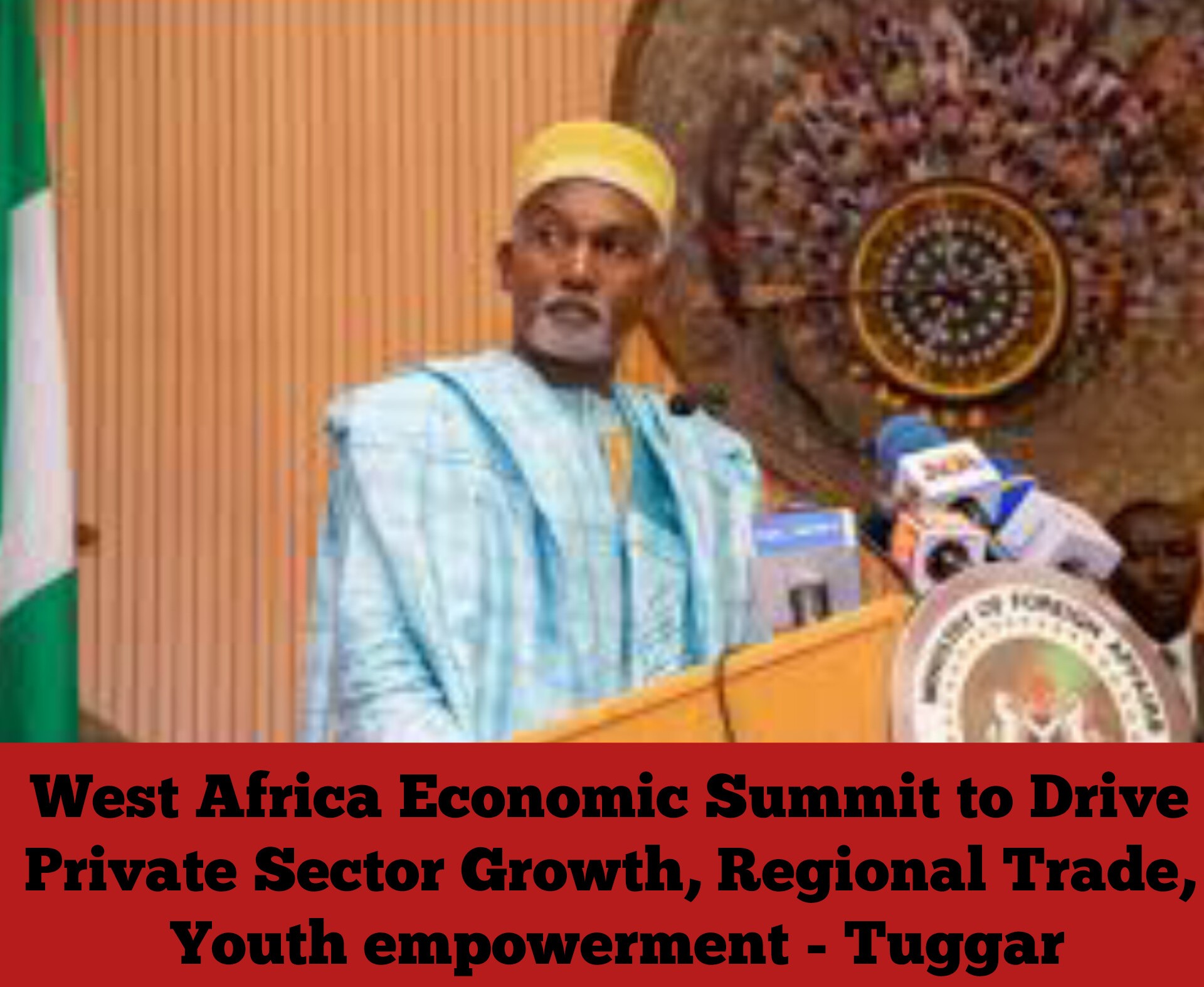
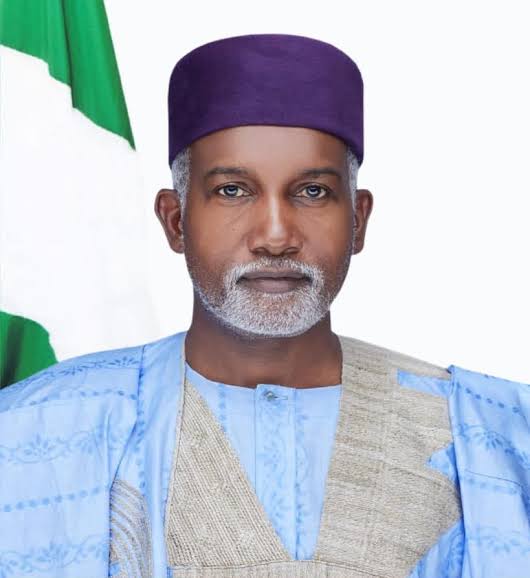
Nigeria’s Minister of Foreign Affairs, Ambassador Yusuf Maitama Tuggar, has called for a bold shift from aid-driven models to investment-led strategies that prioritize gender equity, youth empowerment, and inclusive governance as the foundations of Africa’s future growth.
Speaking at the Policy Innovation Centre’s High-Level Plenary of the 2025 Gender Summit themed “From Aid to Investment: Leveraging Economic Diplomacy for Africa’s Inclusive Development,” Tuggar said Africa stands at a pivotal moment in its development journey.
“Africa has the resources, human capital, and creativity to drive global growth. But growth without inclusivity is fragile, and prosperity without equity is unsustainable,” the minister declared.
He highlighted that with a combined GDP of $2.8 trillion and a projected population of 2.5 billion by 2050, the continent’s transformation depends on dismantling systemic barriers that keep women, youth, and marginalized groups from participating fully in economic and political life.
Tuggar noted that Nigeria has recalibrated its foreign policy under President Bola Ahmed Tinubu’s 4-D Diplomacy Agenda — Development, Demography, Diaspora, and Democracy — to ensure women and youth inclusion is embedded in every pillar.
“Equity is not optional. Inclusion is not charity. They are the foundations of a prosperous, stable, and sustainable Africa,” Tuggar stressed.
He pointed to initiatives such as the Regional Partnership for Democracy (RPD), which promotes accountable governance and inclusive participation, as well as Nigeria’s hosting of the West Africa Economic Summit earlier this year, which resolved to create an enabling environment for women’s economic empowerment and gender-responsive policies.
The minister also highlighted persistent gender gaps: only 18% intra-African trade, 4.2% female representation in Nigeria’s National Assembly, and over 7.6 million Nigerian girls out of school, according to UNESCO’s 2024 report.
Citing a Council on Foreign Relations (CFR) study, Tuggar said Nigeria’s GDP could grow by 23% (about $229 billion) by 2025 if women participated in the economy at the same level as men.
Nigeria, he explained, has already laid foundations for inclusive growth through policies such as the National Gender Policy (2021–2026), the Women’s Economic Empowerment Action Plan (2023–2028), and the INEC Gender Policy (2021–2025).
“We must dismantle systemic barriers that prevent women from holding leadership positions. A 4.2% share of parliamentary seats is unacceptable,” he insisted.
Ambassador Tuggar emphasized that sustainable economic transformation depends on shifting capital towards women- and youth-led enterprises, particularly in the informal sector, and creating value chains that benefit local communities.
He cited ongoing youth-focused initiatives like the Technical Aid Corps (TAC), the Nigeria Youth Investment Fund (NYIF), the Student Loan Act, and the 3 Million Technical Talent (3MTT) programme, designed to equip young Nigerians with digital skills such as AI and cybersecurity.
The minister concluded by urging African leaders, the private sector, and civil society to back the Gender and Inclusion Framework for Economic Diplomacy (GIF-ED) and the Purple Book of Action Plans 2025, stressing that inclusive policies must shape Africa’s development agenda.