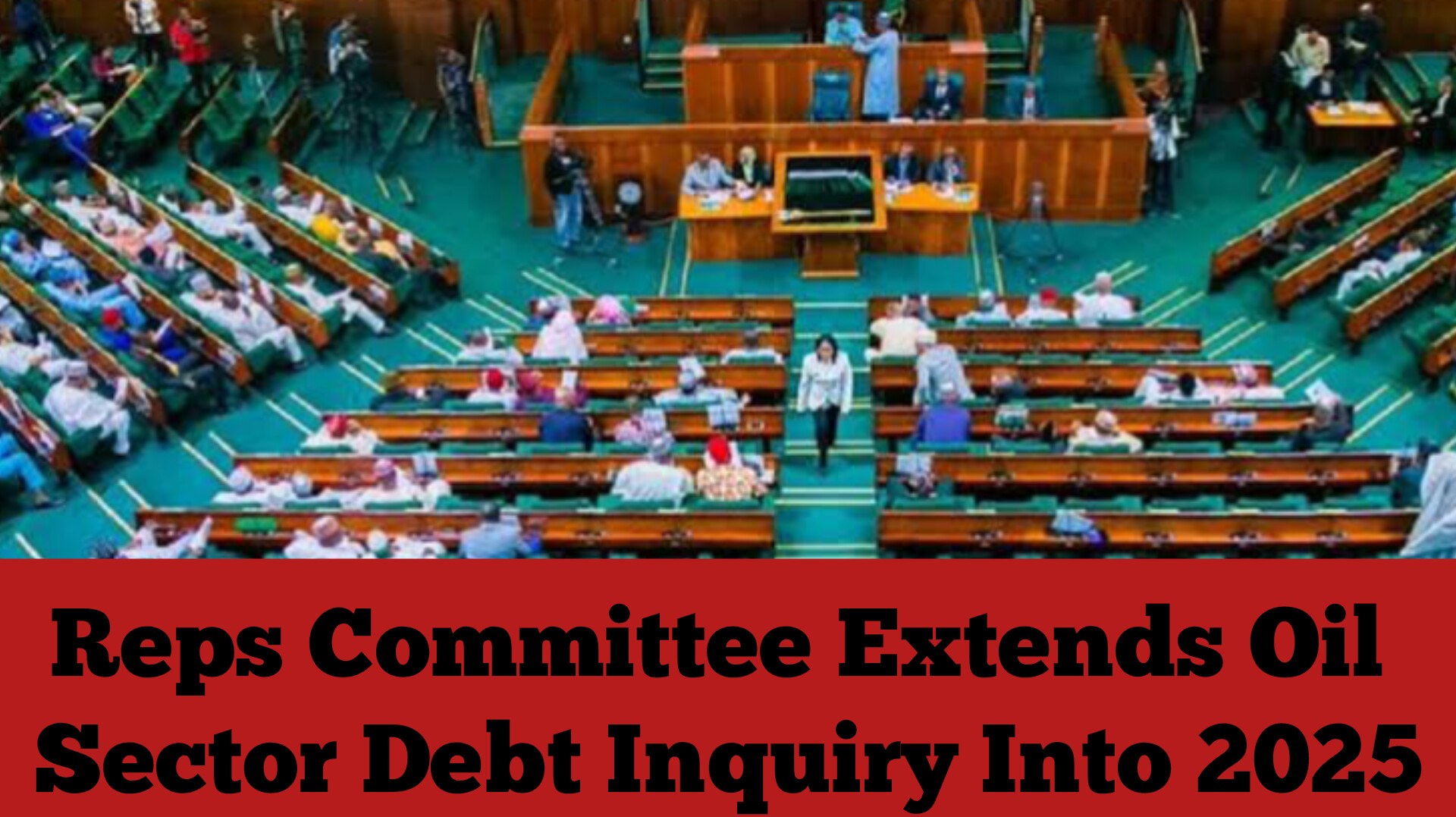
President Bola Tinubu has formally requested the House of Representatives to approve a new external borrowing plan totaling $2.35 billion, aimed at financing the 2025 budget deficit and refinancing a maturing Eurobond.
The request was contained in a letter addressed to Speaker Tajudeen Abbas, which was read aloud during plenary on Tuesday.
Breakdown of the $2.35 Billion Loan Request
According to President Tinubu, the borrowing plan includes $1.23 billion (₦1.84 trillion) to part-finance the 2025 Appropriation Act and $1.12 billion to refinance Nigeria’s Eurobond maturing on November 21, 2025
The President emphasized that the loan request is in line with Sections 21(1) and 27(1) of the Debt Management Office (Establishment) Act, 2003, which mandates National Assembly approval for new loans and refinancing arrangements.
Sovereign Sukuk in International Capital Market
In addition to the Eurobond refinancing, President Tinubu also seeks the National Assembly’s approval to issue $500 million in debut sovereign Sukuk in the International Capital Market (ICM). The proceeds, he explained, would be used to fund critical infrastructure projects and help diversify Nigeria’s funding sources.
“There is a need to pull resources from external sources to complement domestic issues and bridge infrastructure funding gaps,” Tinubu wrote.
“It is imperative to open new sources of funding for the Federal Government of Nigeria and thereby diversify the investor base as well as deepen the federal government security markets.”
Nigeria’s Track Record with Domestic Sukuk
President Tinubu highlighted the government’s success in domestic Sukuk issuances, noting that between September 2017 and May 2025, the Debt Management Office (DMO) raised over ₦1.39 trillion through Sukuk bonds to support road infrastructure across the country.
The President said the proposed international Sukuk issuance would build on that success while attracting foreign investors.
Borrowing Instruments and Market Conditions
Tinubu stated that the funds may be raised through Eurobonds, loan syndications, or bridge financing facilities, depending on global market conditions. He assured lawmakers that the pricing of new Eurobonds is expected to align with existing yields on Nigeria’s bonds, currently ranging between 6.8% and 9.3%, depending on tenure.