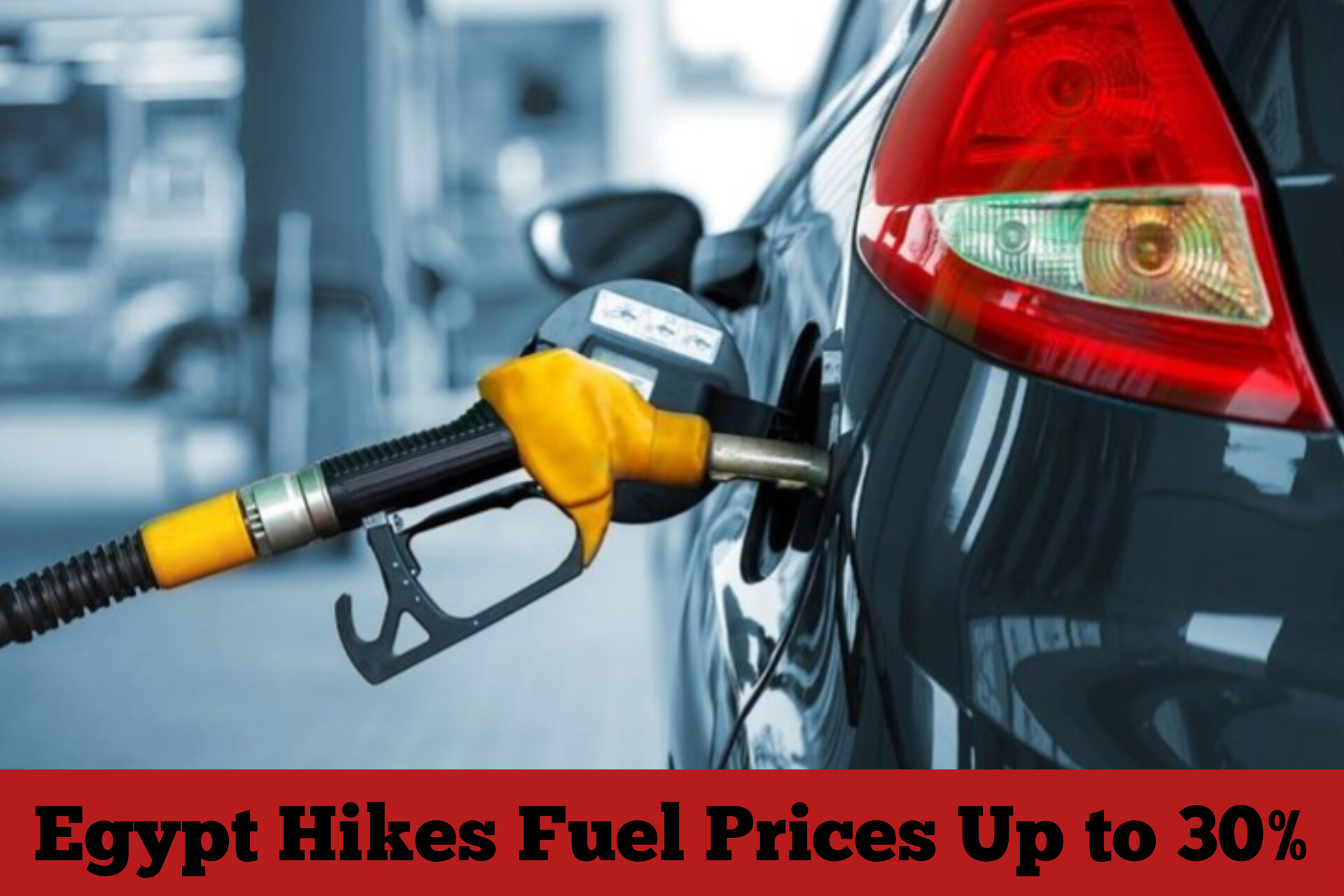
Egypt has increased domestic fuel prices by as much as 30 percent, citing rising global energy pressures linked to the ongoing conflict in the Middle East that has disrupted oil supplies and shipping routes.
The price adjustments, announced by the Ministry of Petroleum and Mineral Resources, affect gasoline, diesel and natural gas used in vehicles across the country.
In a statement, the ministry said the decision was necessary due to the impact of the regional crisis on global energy markets.
“The adjustments were driven by disruptions in supply chains, rising risk levels and higher maritime shipping and insurance costs,” the ministry said. “These factors have pushed petroleum product prices to levels not seen in years.”
The ministry noted that instability in global oil markets had intensified following the escalation of tensions in the Middle East, affecting both supply and transportation costs.
Global oil prices briefly surged above $119 per barrel before dropping sharply to around $84 after United States President Donald Trump suggested that the conflict involving the US, Israel and Iran could end soon.
Under the new pricing structure:
Diesel, one of Egypt’s most widely used fuels, increased by 3 Egyptian pounds, or 17.1 percent, rising from 17.50 pounds to 20.50 pounds ($0.38) per litre.
80-octane gasoline rose by about 16.9 percent to 20.75 pounds per litre.
92-octane gasoline climbed roughly 15.6 percent to 22.25 pounds per litre.
95-octane gasoline increased by about 14.3 percent, bringing the price to 24 pounds per litre.
Natural gas used for vehicles recorded the largest increase, jumping 30 percent to 13 pounds per cubic metre.
The government said the adjustments were part of broader efforts to manage rising energy costs while maintaining stability in the domestic fuel market.
Egypt has implemented several fuel price increases over the past two years as part of economic reforms tied to an $8 billion loan programme from the International Monetary Fund (IMF).
Despite earlier expectations that last year’s increase of up to 13 percent would be the final adjustment under the programme, the latest global energy shocks appear to have forced the government to revisit its pricing policy.
Officials say the government will continue to monitor global market developments and review domestic fuel pricing accordingly.