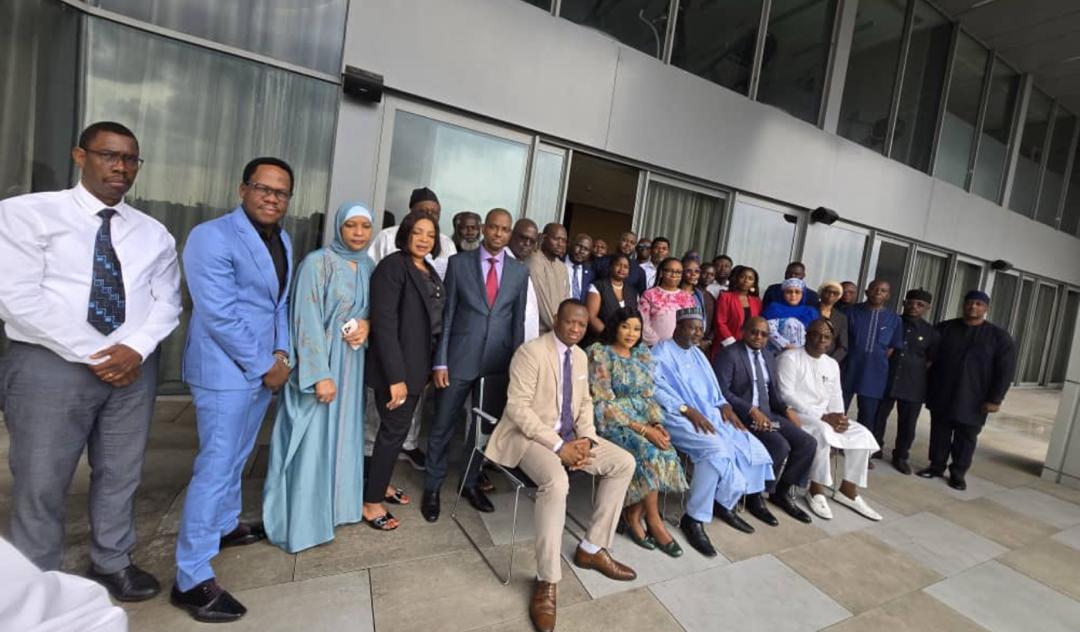
As part of the final technical review workshop for the Praia-Dakar-Abidjan Corridor Technical Studies, the ECOWAS Commission on June 28, 2025, led a regional delegation of road engineers and transport experts from its Member States on a strategic field visit to key infrastructure projects in Senegal.
The one-day visit, which took participants to the Train Express Régional (TER) Dakar Railway Service and the Dakar-Diamniadio-Thies Highway, aimed to deepen knowledge-sharing and promote home-grown expertise in the financing, operation, and maintenance of large-scale infrastructure within the region.
The initiative is part of ECOWAS’ broader strategy to strengthen technical collaboration among Member States and ensure a coordinated, harmonized development of transport corridors critical for regional trade and economic integration.
At the 36-kilometre TER Dakar urban railway — boasting 13 stations and 15 dual-mode, four-car trains — delegates experienced firsthand the operational systems of one of West Africa’s most modern urban rail services. The team toured the railway’s operational control room, maintenance facilities, and stations, and engaged with management on operational procedures, signalization systems, scheduling, infrastructure maintenance, and workforce development policies aimed at fostering local capacity in rail services.
Discussions also touched on design standards, revenue collection strategies, and inclusive management practices that ensure sustainable operations and job creation within the local economy.
Similarly, participants visited the Dakar-Diamniadio Toll Highway and the Diamniadio-Thies Highway, whose design and management structures mirror those proposed for the future Dakar-Abidjan and Abidjan-Lagos regional highways. Key discussions at the highway’s toll stations, traffic monitoring centres, and concessionaire offices focused on Public-Private Partnership (PPP) financing models, traffic surveillance systems, toll operations, road safety measures, and infrastructure sustainability.
Particular emphasis was placed on the successful integration of local expertise, local content policy enforcement, and innovative home-grown financing mechanisms applied by the Senegalese government — presenting valuable lessons for replication across the region.
The site visits formed an essential part of the validation workshop for the Praia-Dakar-Abidjan Projects Corridor, offering critical insights to shape upcoming regional transport infrastructure projects and support the development of effective national peri-urban transportation systems.
ECOWAS remains committed to fostering regional connectivity through sustainable infrastructure investments and enhancing local capacity for long-term infrastructure operation and maintenance.