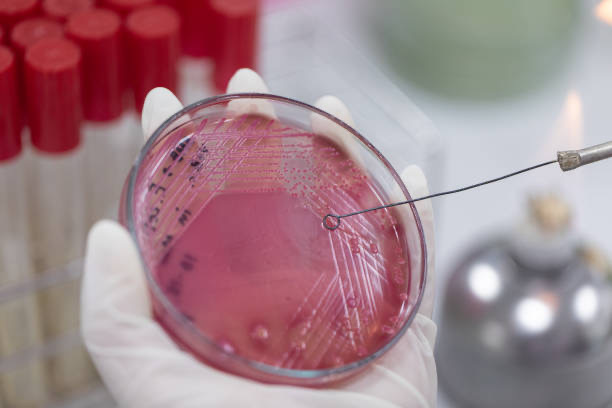
Health experts have urged governments and global health institutions to adopt stronger gender-responsive policies to address the growing threat of antimicrobial resistance (AMR).
The experts warned that gender inequality, violence against women, and limited access to healthcare are key social factors contributing to the increasing spread of drug-resistant infections.
They made the call during the recent AMR Dialogues themed “AMR Under Gender Lens,” where speakers highlighted how social and cultural dynamics influence infection rates, healthcare access, and antibiotic misuse.
Opening the session, Chairperson of the Global AMR Media Alliance (GAMA), Shobha Shukla, cautioned that the world risks missing critical global health targets if gender inequality continues to be overlooked in public health strategies.
“Despite promises made by governments for health and gender equality, we are not on track,” she said, noting that less than five years remain to achieve the targets set under the United Nations Sustainable Development Goals (SDGs).
Shukla explained that antimicrobial resistance is largely driven by the misuse and overuse of medicines across several sectors, including human health, livestock production, agriculture, and the environment.
She noted that harmful social norms and gender-based inequalities often place women and girls at greater risk of infections while limiting their access to early diagnosis and treatment.
“Girls, women and gender-diverse communities often fall to the lowest priority when it comes to disease screening, diagnostics, treatment and care,” she said, stressing that the issue is particularly concerning because women frequently serve as primary caregivers in families and communities.
Shukla also linked gender-based violence to increased vulnerability to infections such as sexually transmitted diseases, which can lead to greater antibiotic use and contribute to antimicrobial resistance.
She further highlighted the persistent global challenge of drug-resistant tuberculosis, noting that progress in tackling the disease has stalled.
“In 2000, global estimates showed around 400,000 cases of drug-resistant tuberculosis, and in 2024 the figure remains almost the same,” she said, attributing the trend to misuse, overuse and incomplete use of tuberculosis medications.
Former Chief Scientist of the World Health Organization, Soumya Swaminathan, said gender-based violence and social inequalities significantly heighten women’s vulnerability to drug-resistant infections.
According to her, women experiencing domestic or sexual violence often delay seeking medical care due to stigma, financial dependence, or lack of decision-making power within households.
“This delay in seeking care leads to complicated infections and creates a vicious cycle that contributes to antimicrobial resistance,” she explained.
Swaminathan also noted that infections affecting women in many primary healthcare settings are often treated using a syndromic approach rather than laboratory-based diagnosis.
“In the absence of diagnostic tests, broad-spectrum antibiotics are frequently prescribed, increasing antibiotic exposure and accelerating resistance,” she said.
She added that women form the majority of the global frontline health workforce, particularly nurses and community health workers, yet many face workplace challenges that affect infection control and antibiotic stewardship.
“If nurses and frontline workers are not supported or adequately trained, the quality of care and antibiotic management will deteriorate,” she warned.
An antimicrobial resistance survivor and member of the WHO Task Force of AMR Survivors, Bhakti Chavan, said the impact of AMR on women is often underestimated.
“AMR is not just a scientific concept; it directly affects real lives, especially women’s lives,” she said.
Chavan pointed to urinary tract infections, which are common among women and often repeatedly treated with antibiotics without proper diagnostic testing.
She shared a case in which a patient was repeatedly prescribed antibiotics for recurring infections without laboratory confirmation, only to later discover that the bacteria had developed resistance to several drugs.
Chavan also recounted her own experience of being diagnosed with extensively drug-resistant tuberculosis, which required two years of intensive treatment.
“The treatment involved painful injections and powerful medicines. The physical changes it caused were difficult to cope with, particularly in societies where women are judged by their appearance,” she said.
According to her, stigma associated with diseases such as tuberculosis and HIV often forces women to hide their illness or discontinue treatment prematurely, further contributing to drug resistance.
Researcher in infectious diseases and antimicrobial resistance at the University of Cape Town, Esmita Charani, said tackling antimicrobial resistance requires a deeper understanding of the social factors that shape healthcare decisions.
“Antibiotic resistance cannot be solved by new drugs and diagnostics alone,” she said. “If these solutions are not accessible to the most vulnerable populations, we will remain in the same position.”
Charani explained that gender norms often influence healthcare decisions within households, with women frequently prioritising the health of family members over their own.
As a result, women often appear in hospitals as caregivers rather than patients, delaying the diagnosis and treatment of infections.
Similarly, Deepshikha Batheja of the Indian School of Business said antimicrobial resistance should be viewed not only as a biological challenge but also as a behavioural and social issue.
“When we think about AMR, we often focus on microbes, but antimicrobial use is fundamentally a human decision problem,” she said.
Batheja noted that factors such as limited education, financial dependence and restricted access to healthcare often prevent women from seeking timely treatment, increasing the risk of infection and inappropriate antibiotic use.
She cited research showing that improving women’s education and participation in the workforce can significantly reduce antibiotic consumption.
“Data from more than 70 countries show that a one percent increase in women’s education and labour force participation can lead to about a 13 percent reduction in antibiotic consumption,” she said.
Batheja therefore urged governments to integrate gender-responsive policies into national action plans on antimicrobial resistance, strengthen diagnostic capacity, and expand public awareness on responsible antibiotic use.
Experts at the dialogue concluded that empowering women as caregivers, health professionals, educators, and community leaders could play a crucial role in the global fight against antimicrobial resistance.
They emphasised that reducing gender inequality, improving access to healthcare, and strengthening women’s leadership in health systems will be essential to preserving the effectiveness of life-saving antibiotics for future generations.