The Presidential Fertilizer Initiative (PFI) has unveiled a strategic new phase, PFI 3.0, aimed at ensuring a resilient and uninterrupted supply of fertilizer to Nigerian farmers in line with President Bola Tinubu’s food security and sovereignty agenda.
According to Tajudeen Ahmed, Executive Director, Portfolio, the initiative is entering a critical stage focused on securing raw materials and ensuring consistent distribution to fertilizer blending plants across the country.
“As of September 2025, more raw materials have already been supplied or ordered than the total supplied in 2024,” Ahmed said in a statement.
“Blenders now have access to as much material as their production capacity can support—supported by verifiable data and the proven track record of the PFI.”
New data released by the Ministry of Finance Incorporated (MOFI) confirms the scale of the logistics operation behind PFI 3.0. Between 2022 and 2025, 48 vessels have delivered critical fertilizer raw materials to Nigeria. In 2025 alone, 10 vessels have already discharged, or are scheduled to discharge, over 560,000 metric tonnes of inputs at Nigerian ports.
This consistent flow of materials is designed to guarantee continuous local production, while insulating the sector from global market shocks.
“We are building a system that gives farmers confidence to plan long-term,” said Dr. Armstrong Takang, Managing Director/CEO of MOFI.
“The PFI is a leading example of public–private collaboration solving complex national problems.”
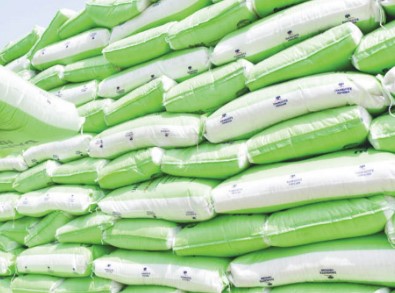
Since inception, the PFI has facilitated the production of over 128 million bags of fertilizer, distributed directly to farmers across the country. From 2021 to 2024 alone, over 4.5 million metric tonnes of finished fertilizer have been produced locally.
Alhaji Sadiq Kassim, President of the Fertilizer Producers and Suppliers Association of Nigeria (FEPSAN), praised the initiative’s impact on local capacity:
“We now have over 90 operational blending plants with a combined capacity of up to 13 million metric tonnes. This has improved local access and reduced transport costs for farmers.”
The PFI is now preparing for a leadership transition, with MOFI set to take over operational management from the Nigeria Sovereign Investment Authority (NSIA) by November 2025. This move, endorsed at the August 2025 Stakeholder Roundtable in Abuja, is expected to boost transparency and scale the initiative for long-term sustainability.
Despite robust supply, the initiative acknowledged ongoing concerns about rising fertilizer prices. Industry experts attribute this to foreign exchange volatility and global input costs, rather than local scarcity.
The Presidential Fertilizer Initiative remains a flagship Federal Government programme designed to support farmers with timely, affordable, and high-quality fertilizer, forming a cornerstone of Nigeria’s agricultural transformation.
“PFI 3.0 is not just about fertilizer—it’s about building a resilient, self-sufficient agricultural economy that can feed Nigeria and power industry,” the statement concluded.