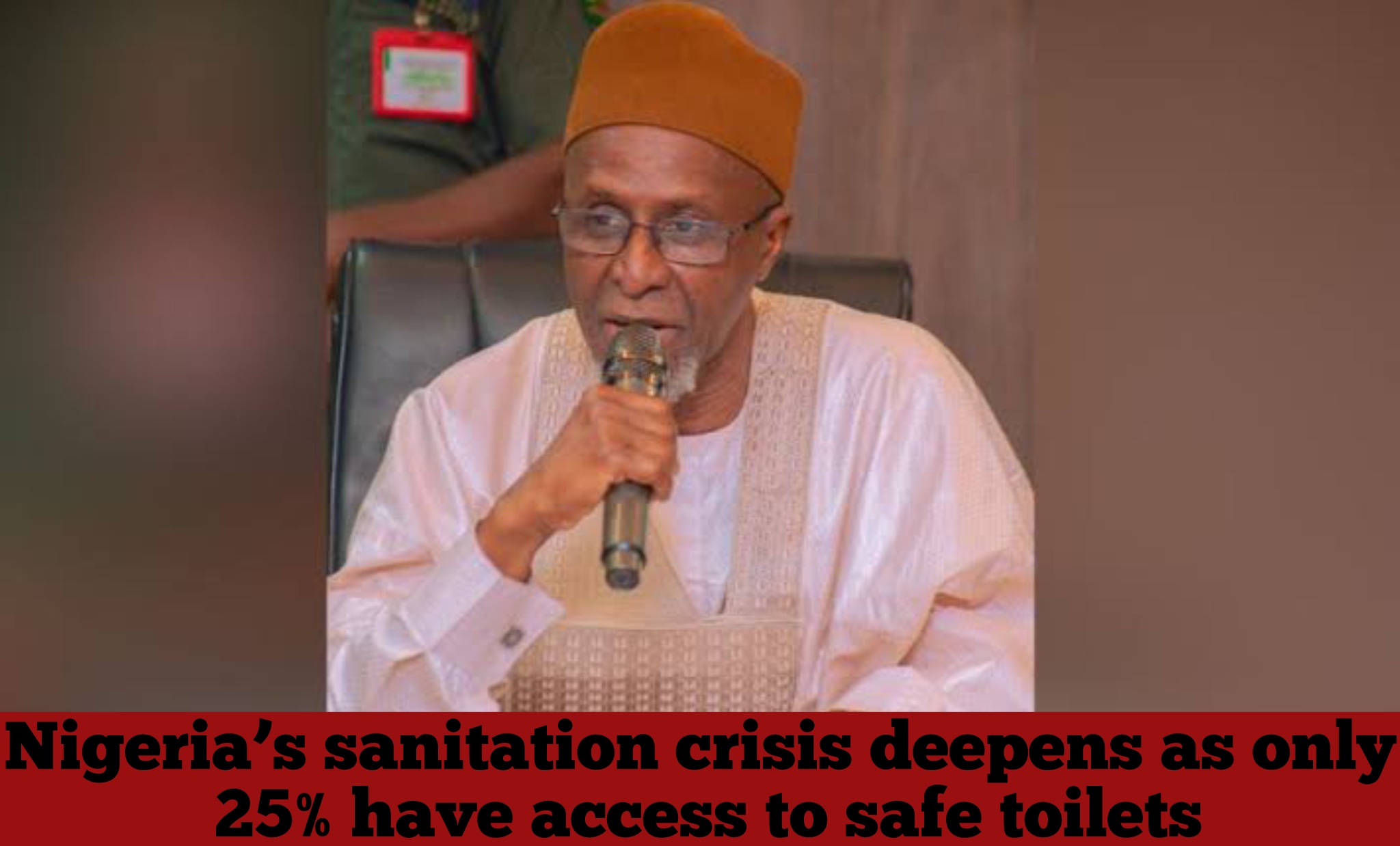
The Minister of Environment, Mallam Balarabe Lawal says Nigeria is facing an escalating sanitation crisis, with more than 45 million citizens still practicing open defecation and only 25 percent having access to safely managed sanitation facilities.
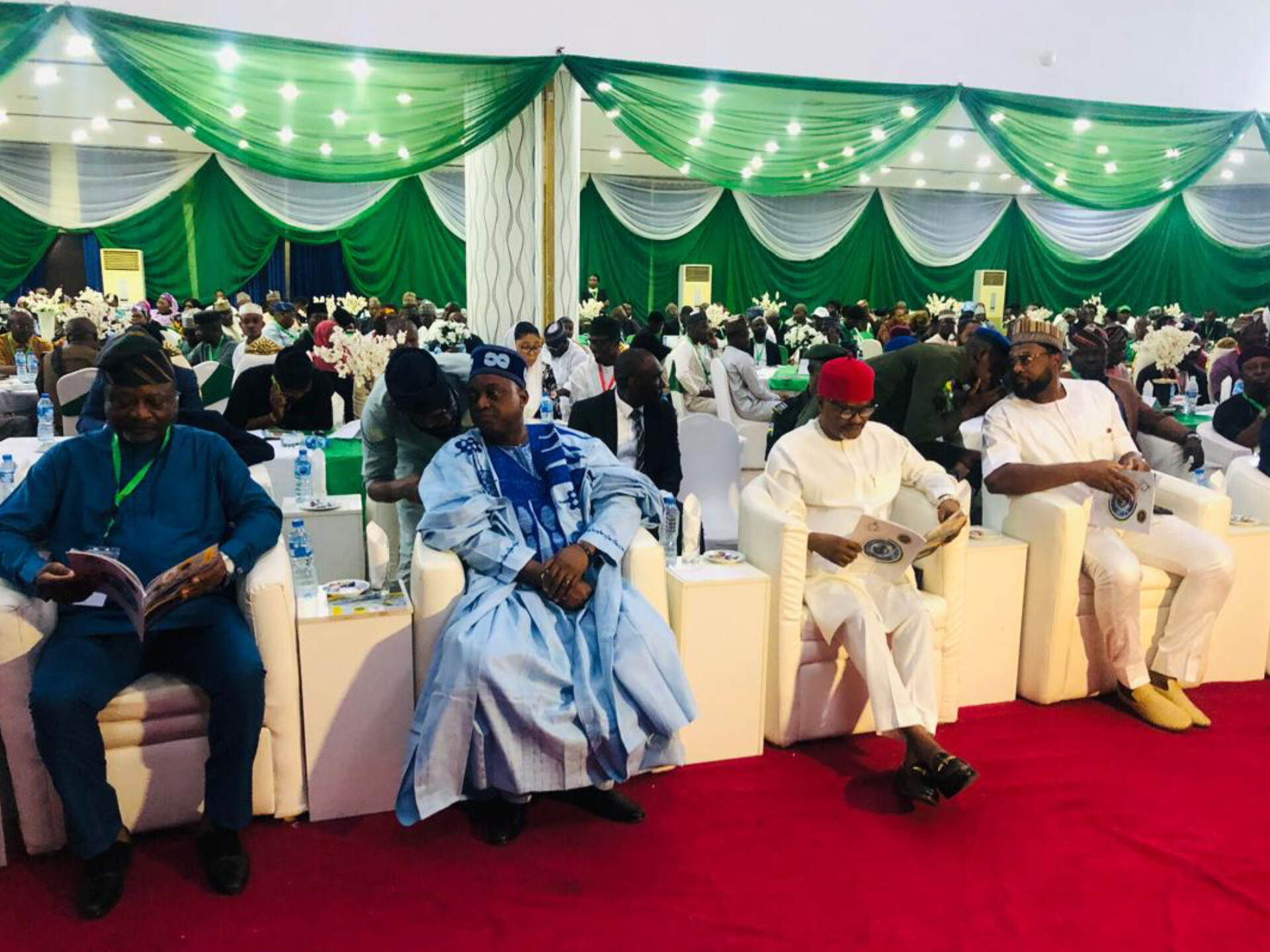
Mallam Lawal made the disclosure in Abuja during a press briefing to mark the 2025 World Toilet Day, themed “Sanitation in a Changing World” with the tagline “We’ll Always Need the Toilet.”
He noted that the global sanitation deficit remains alarming, with an estimated 4.2 billion people lacking access to safe toilets.
The minister expressed concern that many schools, healthcare centres, and public institutions in Nigeria either have no toilets or operate poorly maintained facilities.
In urban centres, he added, inadequate sewerage systems continue to channel untreated wastewater into rivers and streams, posing severe health and environmental risks.
Mallam Lawal warned that poor sanitation fuels outbreaks of cholera, diarrhoea, typhoid, and intestinal worm infections—diseases that claim thousands of lives annually, particularly among children under five.
He said the challenge also contributes to rising antimicrobial resistance and hinders progress toward achieving SDG 6.2 on sanitation and hygiene.
Represented by the Permanent Secretary of the ministry, Mallam Mahmud Kambari, the minister reaffirmed the Federal Government’s commitment to achieving an Open Defecation Free (ODF) Nigeria by 2030.
He referenced the ongoing review of the Presidential State of Emergency on Water, Sanitation and Hygiene (WASH) and Executive Order No. 009 of 2019.
Lawal added that the ministry, working with partners, has reviewed and validated the 2005 National Environmental Sanitation Policy and updated guidelines on safe excreta and sewage disposal.
Also speaking, the Secretary General of the Nigerian Red Cross Society, Dr. Abubakar Kende, said the theme, “We’ll Always Need the Toilet,” underscores the urgency of improving sanitation access in the face of climate change, population growth, and deteriorating infrastructure.
Dr. Kende highlighted the Red Cross’ role in developing the National Strategic Plan of Action on Cholera Control (NSPACC) to strengthen sanitation and hygiene systems nationwide.
Earlier, the Director of Pollution Control and Environmental Health, Dr. Bahijjahtu Abubakar, said World Toilet Day serves as a reminder of the global sanitation crisis and the need to accelerate efforts toward achieving universal access to water and sanitation (SDG 6).
The Registrar of the Environmental Health Council of Nigeria (EHCON), Dr. Yakubu Baba, and the Director General of NESREA, Professor Innocent Barikor, also reiterated their agencies’ commitment to delivering sustainable sanitation solutions across households, schools, markets, hospitals, and public spaces nationwide.