
The Task Force on the ECOWAS Trade Liberalisation Scheme (TLS) has concluded a three-day review meeting in Abidjan aimed at assessing eight years of operations and developing forward-looking strategies to dismantle barriers to intra-regional trade across West Africa.
The high-level session, held from July 1–3, brought together regional stakeholders including Dr. Mohamed Ibn Chambas, Chairman of the TLS Task Force; Ms. Massandjé Toure-Litse, ECOWAS Commissioner for Economic Affairs and Agriculture; former and current Task Force members; as well as representatives from the Customs Union and Taxation Directorate and civil society groups such as Borderless Alliance, WACTAF, ENDA-CACID, NANTS, and ROPPA.
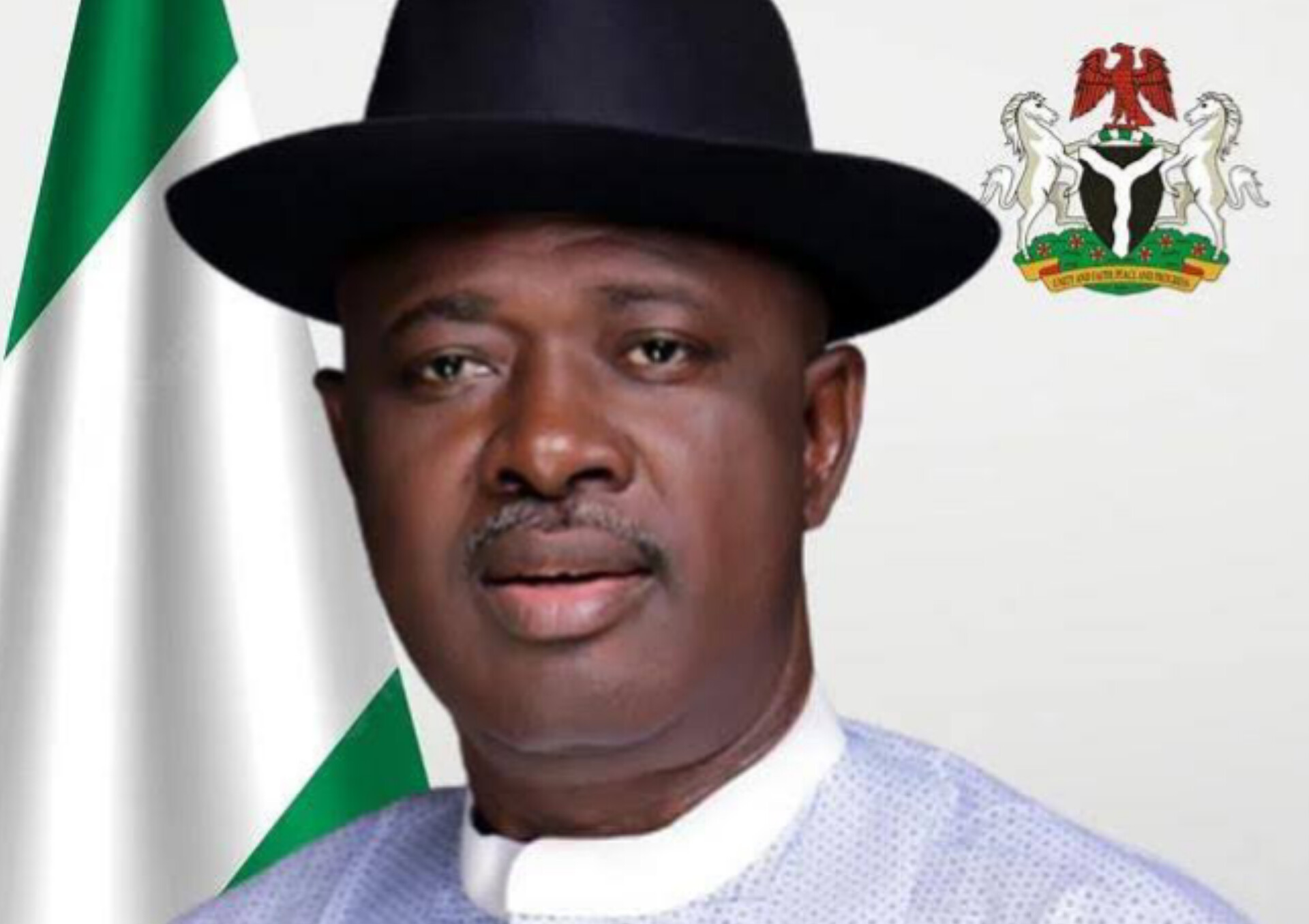
In his opening remarks, Dr. Chambas said the meeting’s goal was to critically evaluate the work done since 2016, identify weaknesses, and propose reforms that can further ease the movement of people and goods across ECOWAS borders.
“This gathering is not just a reflection—it is a roadmap for future impact,” Chambas said. “We aim to consolidate our gains and correct systemic obstacles to trade liberalisation.”
Commissioner Massandjé Toure-Litse, speaking on behalf of H.E. Dr. Omar Alieu Touray, President of the ECOWAS Commission, praised the Task Force’s efforts and Dr. Chambas’ leadership in championing trade facilitation reforms that have reached the highest regional authorities.
Over the three-day plenary, participants developed key recommendations including:
Appointing Special Advisers in the offices of ECOWAS Heads of State to ensure national implementation of community protocols on free movement.
Accelerating the digitalisation of customs and trade procedures across the region’s corridors.
Strengthening political commitment from Member States to regional integration goals.
In addition to TLS-specific recommendations, the meeting used the opportunity—coinciding with ECOWAS’s 50th anniversary celebrations—to propose broader institutional reforms. These included the creation of an ECOWAS Solidarity Fund to promote equitable development, launching federative infrastructure projects using local resources, and reviewing the ECOWAS Treaty to enhance the authority of the Community Parliament and the Court of Justice.
The outcomes of the meeting will soon be formally presented to the ECOWAS Commission President in Abuja by Dr. Chambas.