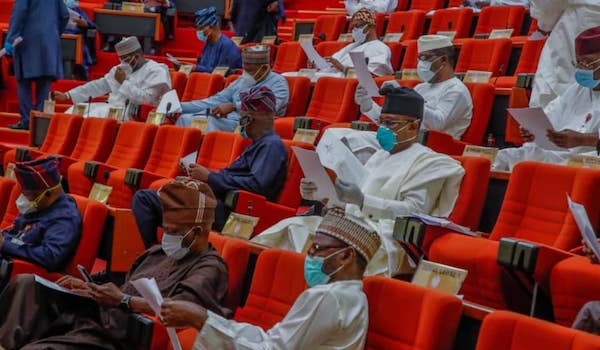
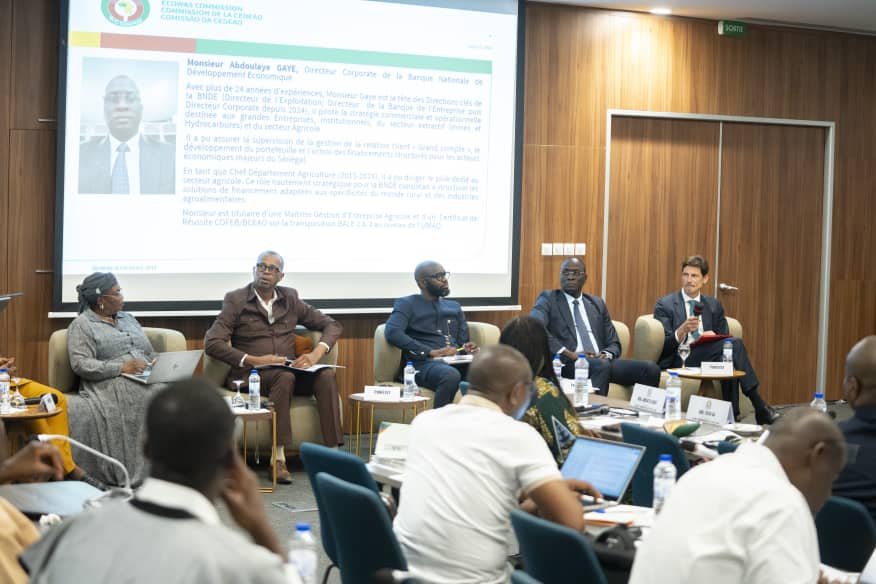
Fresh calls for increased investment in renewable energy and rural electrification dominated deliberations at the ECOWAS Parliament Joint Committee meeting in Dakar, Senegal, as lawmakers and energy experts urged governments to adopt innovative financing models to tackle the region’s persistent energy deficit.
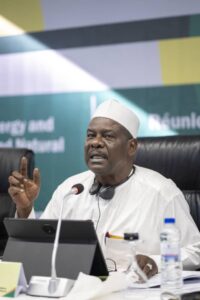
Speaking during the session, Senator Ali Ndume advocated allocating at least five per cent of national budgets to rural development and renewable energy projects. He argued that less than one million dollars could significantly transform a rural community, citing a solar photovoltaic project that provided electricity to 50 communities at a cost of about $7.6 million.
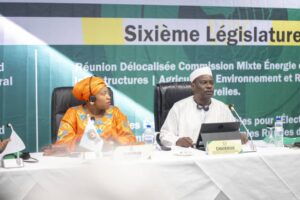
The discussions focused on strategies for financing renewable energy across West Africa, particularly in underserved rural areas where millions of people still lack access to electricity. Presenting a paper on innovative financing models, Prof. Diouma Kobor stressed the need for bankable regional energy portfolios capable of attracting private sector investment. He noted that rising energy demand, dependence on imported fossil fuels and unequal electricity access require a new financing framework built on blended funding mechanisms.
Kobor revealed that Senegal aims to increase renewable energy’s contribution to its electricity mix to 40 per cent by 2030, supported by €2.5 billion under its Just Energy Transition Partnership. He also called for the creation of regional guarantee mechanisms and energy infrastructure funds to reduce investment risks and lower the cost of renewable energy projects across ECOWAS member states.
Meanwhile, Maimouna Sidibe of the ECOWAS Bank for Investment and Development disclosed that renewable energy accounts for only four per cent of the bank’s energy portfolio despite the vast potential of the sector. She identified weak project preparation, regulatory bottlenecks, limited guarantees and poor bankability as key barriers preventing investments from reaching rural communities.
Ndume maintained that rural electrification could stimulate agriculture, improve security, create jobs and reduce migration to urban areas. He urged ECOWAS lawmakers to intensify advocacy for stronger government commitments, declaring that meaningful investments in renewable energy would deliver visible development outcomes within a few years.
Also contributing to the debate, Hon. Ahmed Munir called for policies that combine renewable energy investments with local manufacturing and industrialisation. He stressed the need for regional coordination and harmonised standards to ensure climate financing supports sustainable economic growth across West Africa.
Participants concluded that stronger political will, innovative financing mechanisms and deeper regional cooperation remain essential to achieving universal energy access and accelerating economic development throughout the ECOWAS region.