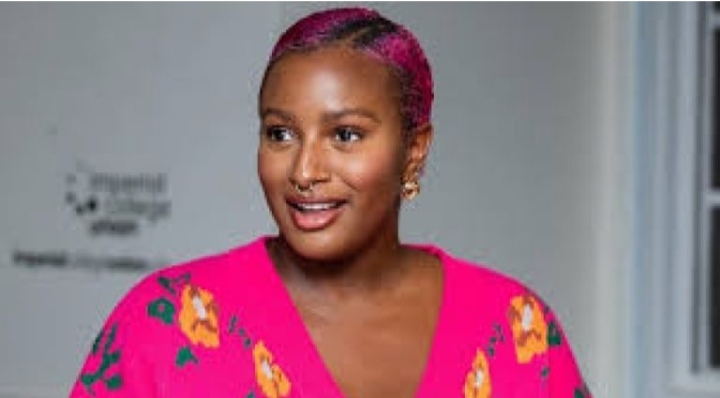
Nigerian disc jockey and billionaire heiress, Florence Otedola, popularly known as DJ Cuppy, has sparked widespread reactions after revealing that her experiences in relationships have led her to believe she cannot marry a Nigerian.
The media personality made the remark in a resurfaced interview clip from a recent podcast appearance, which has since gone viral on social media platform X. In the clip shared by user @Vampz, DJ Cuppy reflected on her past dating experiences and the challenges of navigating relationships as a public figure and daughter of billionaire businessman Femi Otedola.
According to Cuppy, concerns about the intentions of some of her former partners emerged after one of them appeared more interested in meeting her father than building a genuine connection with her. She said the experience left her questioning whether people were attracted to her personality or to her family name, fame and lifestyle.
“I can never marry a Nigerian. It’s impossible. The last one I dated was asking me when he can meet my dad. I didn’t even think they liked me. My dad doesn’t even care who I marry; he just wants me to get married. That’s why I’m so happy for Temi Otedola and Mr Eazi,” she said.
The comments have reignited conversations about relationships, wealth, celebrity status and cultural expectations in modern dating. Many social media users have weighed in on the issue, with opinions divided over whether Cuppy’s experiences reflect broader realities or isolated encounters.
DJ Cuppy’s romantic life has frequently attracted public attention, particularly following her highly publicized relationship with British boxer Ryan Taylor. Their relationship progressed from an engagement in 2022 to a breakup in 2023, followed by public exchanges that continued to generate headlines.
Despite the growing online debate, observers note that the entertainer has not made any official statement on her social media platforms regarding the renewed attention surrounding the interview. The discussion, however, continues to trend online, fueling conversations about trust, identity and expectations in contemporary relationships.