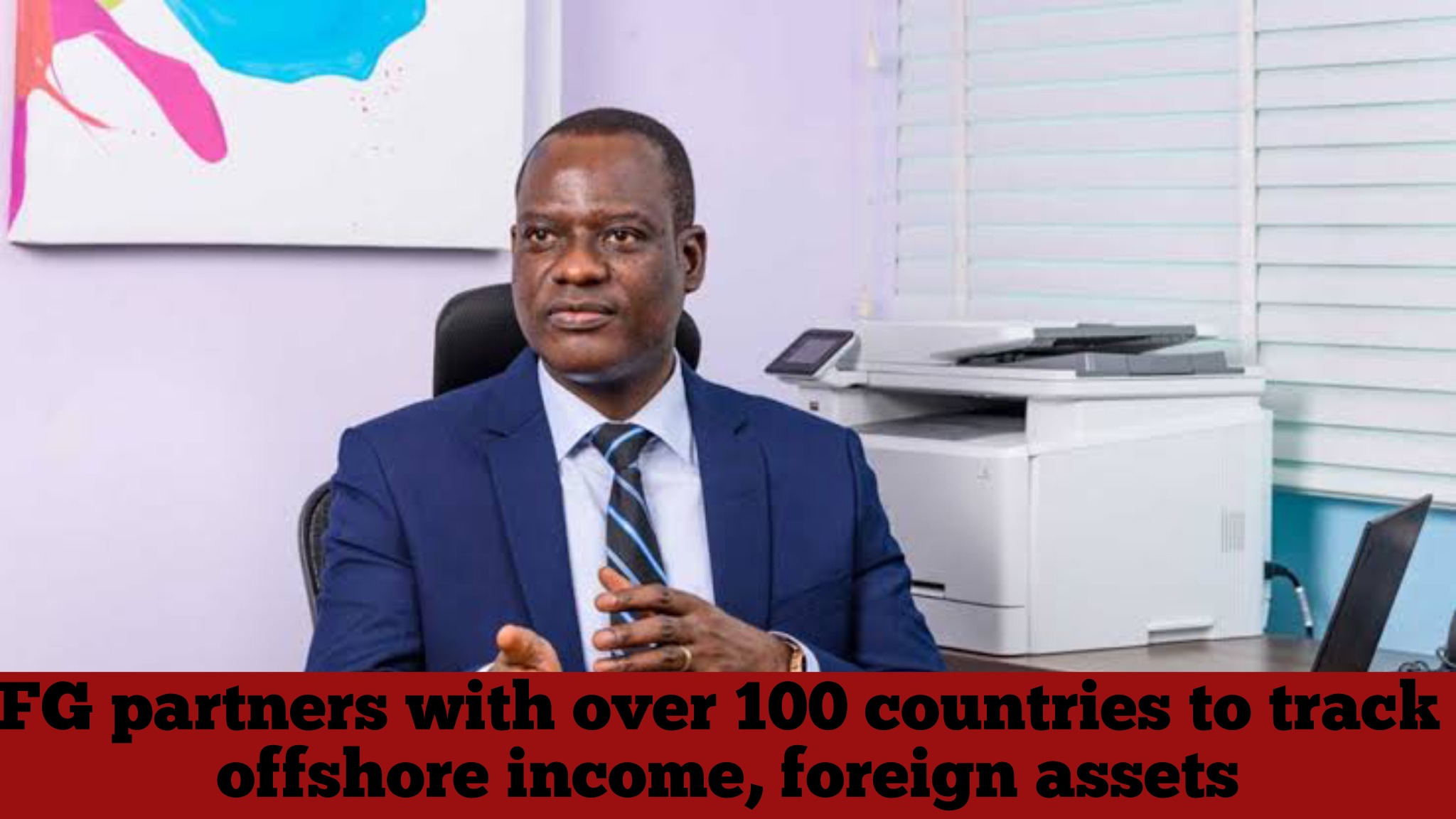
The Chairman of the Presidential Committee on Fiscal Policy and Tax Reforms, Taiwo Oyedele, says Nigeria has entered into agreements with over 100 countries to monitor the income of remote workers and citizens with undeclared foreign assets.
Speaking at a webinar organized by the National Orientation Agency (NOA) on Wednesday, themed “Simplifying Nigeria’s Tax System,” Oyedele mentioned that the move was part of the government’s plan to enforce compliance in the growing digital economy and curb tax evasion.
“Whether you earn from Google or a company in the Bahamas, you must declare your income yourself,” Oyedele explained. “If you fail, the system will gather intelligence once the money hits your account.”
He revealed that under the Common Reporting Standards (CRS) framework, Nigeria already receives financial information from countries such as the U.S., U.K., Canada, and the UAE, enabling authorities to identify citizens with foreign bank accounts, investments, or real estate.
Oyedele also noted that Nigeria was working closely with global technology companies to ensure proper remittance of Value Added Tax (VAT) on digital services offered within the country.
“If a local shop selling phones charges VAT, online platforms shouldn’t get a free pass,” he said. “Through collaboration, not confrontation, we now earn billions from digital taxes.”
On concerns about the new Capital Gains Tax (CGT) framework, which would take effect on January 1, 2026, Oyedele clarified that the law would not be applied retroactively. “A cost-basis reset and grandfathering clause will ensure that only profits made after 2026 are taxed.”
He also addressed minor errors in the newly gazetted tax law, confirming that the correct turnover exemption threshold for businesses is ₦100 million.
“The regulations will reflect this correction,” he assured, while urging Nigerians to voluntarily complywith tax obligations to avoid presumptive assessments.
The initiative marks another major step in Nigeria’s tax modernization agenda, aimed at improving transparency, accountability, and revenue efficiency in the digital age.