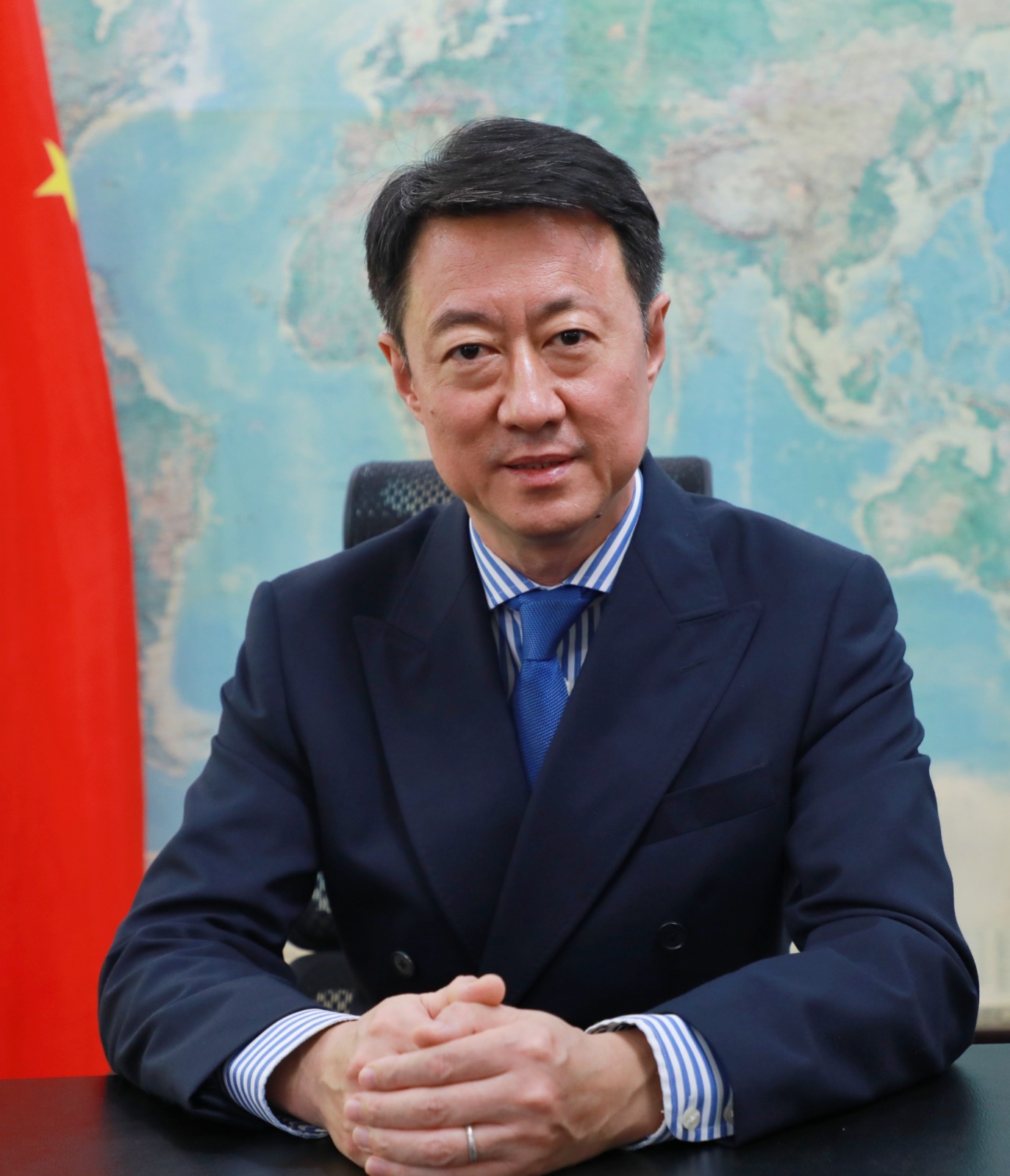
“The comprehensive zero-tariff treatment for African countries represents another major step by China to support Africa’s development and deepen China-Africa cooperation,” the ambassador said.
China has announced a sweeping zero-tariff policy for exports from African countries, including Nigeria, in a move aimed at boosting trade, industrial growth and economic cooperation between both nations.
Chinese President Xi Jinping made the announcement in a congratulatory message to the 39th African Union Summit, stating that the new policy will take effect from May 1, 2026, and apply to 53 African countries with diplomatic ties to China.
Chinese Ambassador to Nigeria, Yu Dunhai, described the decision as a major milestone in China–Africa economic relations.
“The comprehensive zero-tariff treatment for African countries represents another major step by China to support Africa’s development and deepen China-Africa cooperation,” the ambassador said.
He explained that the policy would enable more Nigerian goods to enter China’s vast market of over 1.4 billion people at lower costs, improving competitiveness and market access for Nigerian businesses.
“The removal of tariffs will directly reduce entry barriers, enhance competitiveness, and help Nigerian enterprises secure more orders and achieve more stable market access,” Yu added.
Nigeria, Africa’s largest economy, stands to benefit significantly from the policy, particularly in agricultural exports such as sesame seeds, ginger, cocoa, cashew nuts, cassava products and aquatic goods.
According to the ambassador, rising demand among Chinese consumers for healthy and high-quality food products presents strong opportunities for Nigerian exporters.
“Nigeria’s specialty products are well positioned to win the favor of more Chinese households,” he said.
The zero-tariff policy aligns with Nigeria’s economic diversification strategy, which seeks to reduce dependence on crude oil exports and expand non-oil revenue sources.
Beyond boosting exports, the policy is expected to stimulate local manufacturing and attract foreign investment into Nigeria’s processing and production sectors.
Yu noted that stable export opportunities to China would encourage companies to establish manufacturing and processing facilities in Nigeria.
“This will directly promote local manufacturing and facilitate Nigeria’s transition from exporting raw materials to exporting processed and value-added products,” he said.
He added that the development could create jobs, improve incomes for farmers and small businesses, and strengthen Nigeria’s global trade competitiveness.
China and Nigeria are also negotiating an Agreement on Economic Partnership for Shared Development, which will provide a structured framework for long-term cooperation in trade, digital economy, supply chains and industrial development.
The agreement is expected to align with World Trade Organization rules while supporting Nigeria’s development priorities.
“China stands ready to continue supporting Nigerian enterprises in entering the Chinese market through exhibition platforms, trade promotion activities and capacity-building programmes,” Yu said.
The zero-tariff initiative comes amid growing global economic uncertainty and reflects China’s broader strategy of expanding market access for developing countries.
Yu expressed confidence that the policy would deepen bilateral relations and deliver tangible economic benefits.
“We are confident that through joint efforts, more ‘Made in Nigeria’ products will enter the Chinese market, creating more jobs and income opportunities and allowing both countries to share in the fruits of cooperation,” he said.
The new policy is expected to mark a significant turning point in China–Nigeria trade relations, opening new opportunities for exporters, investors and manufacturers.