The House of Representatives has summoned the Governor of the Central Bank of Nigeria (CBN), Olayemi Cardoso, to appear before it and address rising concerns over arbitrary and excessive charges imposed on customers by commercial banks across the country.
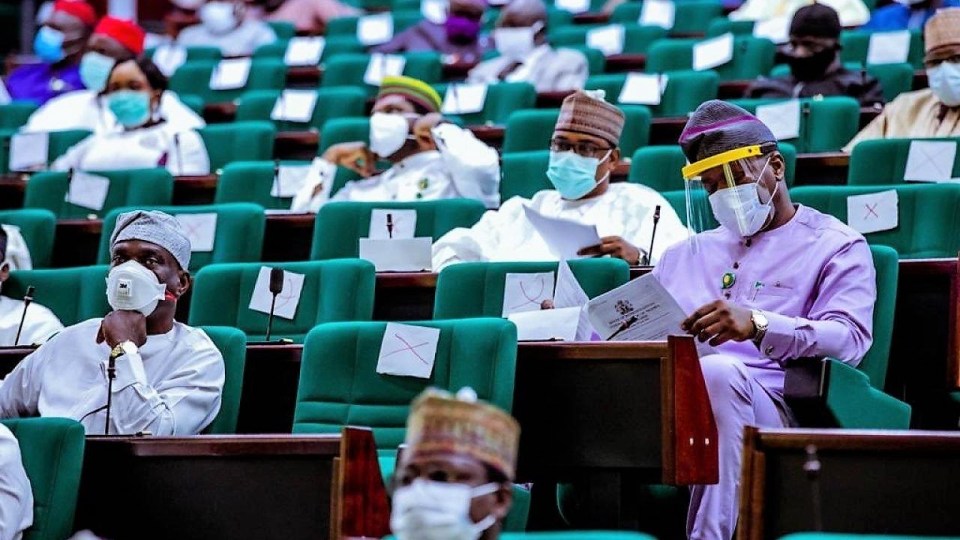
This decision followed the adoption of a motion moved by Hon. Muktar Shagaya, representing Ilorin West/Asa Federal Constituency, during plenary on Monday.
“Unjustified Charges Eroding Public Trust” — Shagaya
In his motion, Hon. Shagaya cited growing complaints from Nigerians who are increasingly burdened by multiple and unexplained deductions from their bank accounts—despite existing CBN regulations governing approved tariffs.
“While banks are expected to provide financial services at fair costs, many customers have repeatedly experienced multiple and unjustified charges,” Shagaya said.
The charges identified include:
- SMS alert fees
- Card maintenance fees
- Account maintenance charges
- Interbank transfer levies
- Stamp duties
- Duplicate and unexplained deductions
He warned that these practices threaten public trust, increase financial exclusion, and contradict the CBN’s goals for financial inclusion.
House Resolutions
Following a robust debate, the House adopted the following resolutions:
Summon the CBN Governor, Olayemi Cardoso, to appear before the Committee on Banking Regulations.
Invite chief executives of major commercial banks to an investigative hearing.
Direct the CBN to:
- Publish a comprehensive and simplified list of all approved bank charges.
- Enforce strict penalties against defaulting banks.
- Set up a robust, transparent customer redress mechanism.
Mandate the Federal Competition and Consumer Protection Commission (FCCPC) and other agencies to launch a nationwide awareness campaign to educate customers on their rights.
Task the House Committee on Banking Regulations to report back within four weeks with findings and recommendations.
Background: Growing Public Frustration
This move comes amid increased public outcry on social media and radio call-in shows about:
- Failed transaction refunds taking days or weeks.
- Hidden or unclear deductions for digital banking services.
- Lack of transparency in fee explanations by banks.
While the CBN has periodically issued guidelines on bank charges, enforcement and monitoring have been inconsistent.
Consumer Protection on the Agenda
The Federal Competition and Consumer Protection Commission (FCCPC) has already committed to enforcing the CBN’s 48-hour refund policy for failed transactions and has hinted at setting up a compliance team to monitor violations.
This legislative intervention is expected to bolster consumer advocacy and prompt regulatory action on behalf of millions of Nigerian bank users.