The Nigeria Union of Journalists (NUJ) has identified malnutrition, drug abuse, and the unchecked influx of foreigners into Nigeria’s media space as emerging factors contributing to insecurity across the country.
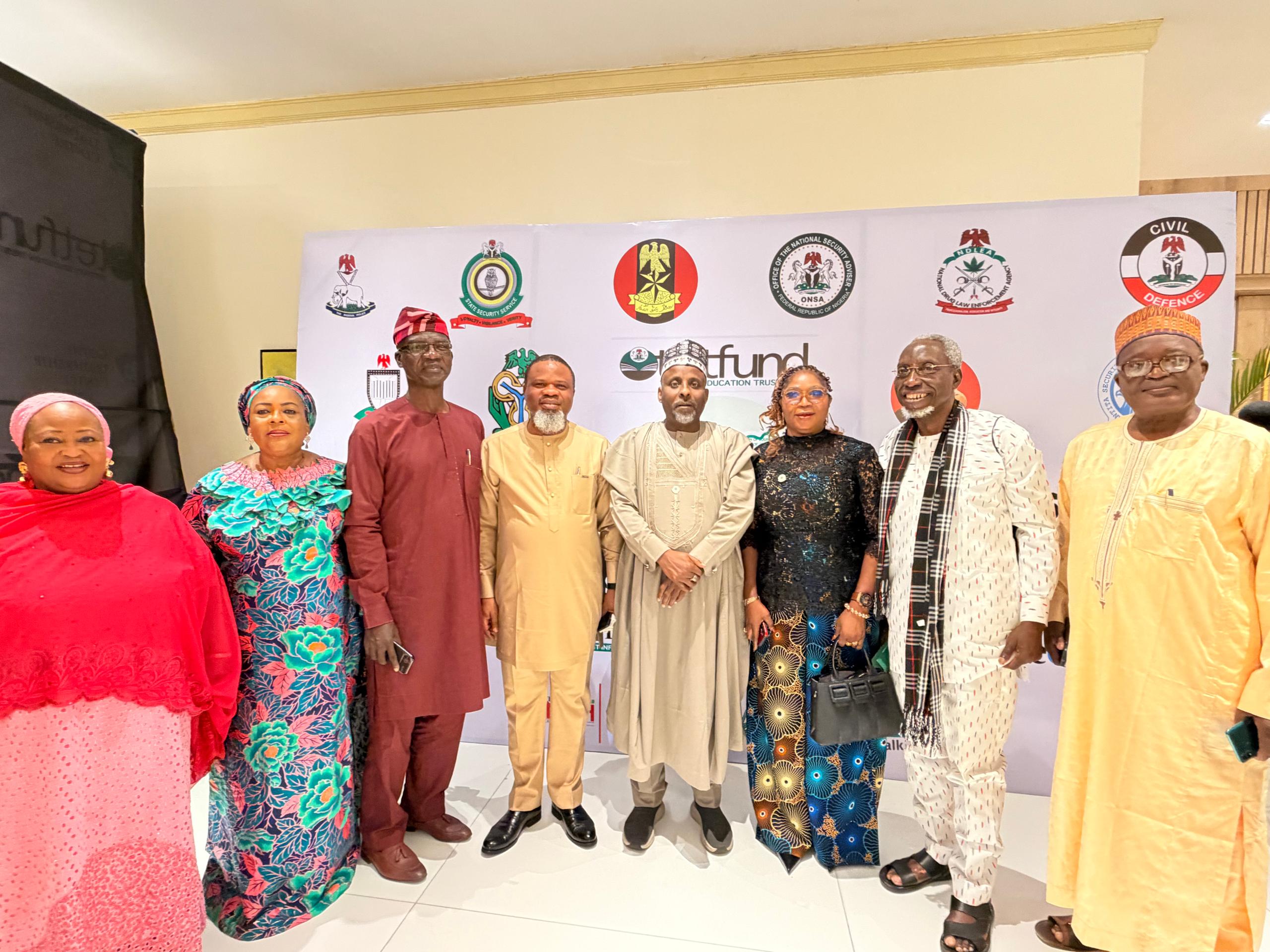
Speaking on Friday at the National Security Summit jointly organised by the NUJ and the Department of State Services (DSS) in Abuja, NUJ National President, Comrade Alhassan Yahaya Abdullahi, urged journalists and security agencies to strengthen collaboration in addressing the nation’s growing security challenges.
The two-day summit, themed “Media and Security Agencies as Partners in Nation Building,” brought together media professionals, security experts, former military spokespersons, and industry stakeholders to discuss strategies for improving cooperation between the press and security institutions.
Abdullahi stressed that journalists have a crucial role to play in promoting national security and development through responsible reporting. He expressed concern over the increasing presence of foreigners in Nigeria’s media landscape, warning that the trend could have implications for national security if not properly monitored.
The NUJ president also highlighted malnutrition as a largely overlooked security issue, noting that its effects on children’s physical and intellectual development could undermine future societal stability and productivity.
“Many people may wonder why we are talking about malnutrition at a security summit, but it is a serious problem. Children who suffer from malnutrition often experience stunted growth and reduced intellectual development, which has implications for the future of society,” he said.
Abdullahi further described drug abuse as a growing threat, citing alarming statistics presented during the summit which showed increasing levels of addiction among Nigerian youths. He warned that the trend could worsen crime rates and fuel insecurity if urgent measures are not taken.
Also speaking at the event, President of the International Press Institute (IPI), Musikilu Mojeed, advocated dialogue and institutional mechanisms as the most effective ways to resolve disputes between government agencies and the media.
Mojeed argued that disagreements between the media and security agencies are inevitable but should be managed through regular engagement, transparency, and established complaint channels rather than intimidation or coercion.
Former Director of Defence Information, Major General Chris Olukolade (retd.), and former Director of Naval Information, Commodore Kabir Aliyu (retd.), also underscored the importance of communication and mutual understanding between security institutions and journalists.
Aliyu described the media as strategic partners in nation-building and security management, urging security agencies to engage journalists constructively rather than viewing them as adversaries.
Former NUJ President Chris Isiguzo, meanwhile, called on journalists to exercise caution in reporting security matters, warning that terrorist groups could exploit sensitive information disseminated through the media.
Participants at the summit agreed that sustained dialogue, responsible journalism, and stronger collaboration between the media and security agencies are essential to addressing Nigeria’s complex security challenges and promoting national cohesion.