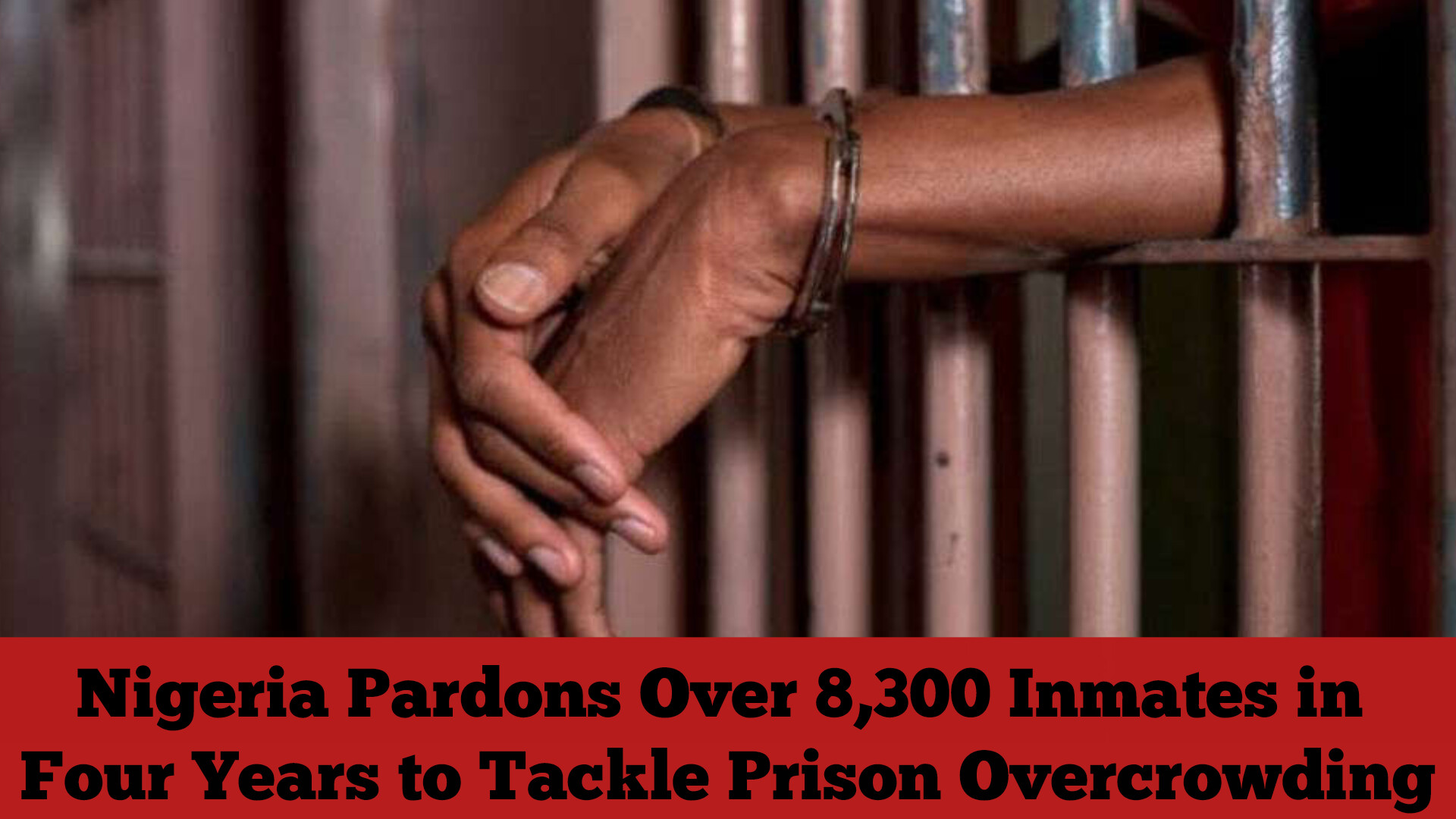
Authorities at the federal and state levels have pardoned or reduced the sentences of no fewer than 8,300 inmates across custodial centres nationwide over the past four years, as part of intensified efforts to ease congestion in correctional facilities.
The pardons, typically granted upon recommendations from judicial or advisory bodies known as Prerogative of Mercy Committees, were compiled from media reports and official data from the Nigerian Correctional Service and various state governments.
A breakdown of the figures shows that 707 inmates benefited from clemency four years ago. The number surged significantly to 4,678 three years ago, before dropping to 1,843 two years ago. More than 850 inmates were pardoned last year, while over 240 have received similar relief so far this year.
However, analysts say the actual number of beneficiaries could be higher, as available data may not fully capture all instances of clemency across the country.
The spike recorded three years ago was largely driven by a nationwide intervention in November of that year, during which over 4,000 inmates were granted relief. This followed the settlement of court-imposed fines under a Federal Government-backed initiative supported by private sector contributions.
Despite the mass pardons, overcrowding remains a persistent challenge within Nigeria’s correctional system. Current estimates indicate that more than 50,000 inmates are awaiting trial nationwide, many facing serious charges such as armed robbery, murder, and culpable homicide.
Lengthy investigations and prolonged court proceedings have been identified as major contributors to delays in the justice system, exacerbating congestion in custodial centres.
In response, the Federal Government is pursuing long-term reforms aimed at reducing pressure on the system and promoting rehabilitation.
Speaking at a stakeholders’ roundtable in Abuja, the Minister of Interior, Olubunmi Tunji-Ojo, represented by the Permanent Secretary, Magdalene Ajani, said the government plans to transform correctional centres into agricultural and production hubs through public-private partnerships.
According to him, the initiative is designed to reposition custodial facilities as centres for skills acquisition and productivity, rather than mere detention points.
“Correctional centres are no longer just places of custody; they are platforms for transformation, rehabilitation and a new lease of life,” he said.
He added that expanding agricultural and vocational programmes would equip inmates with practical skills, enhance reintegration into society, and help reduce recidivism and long-term overcrowding.