
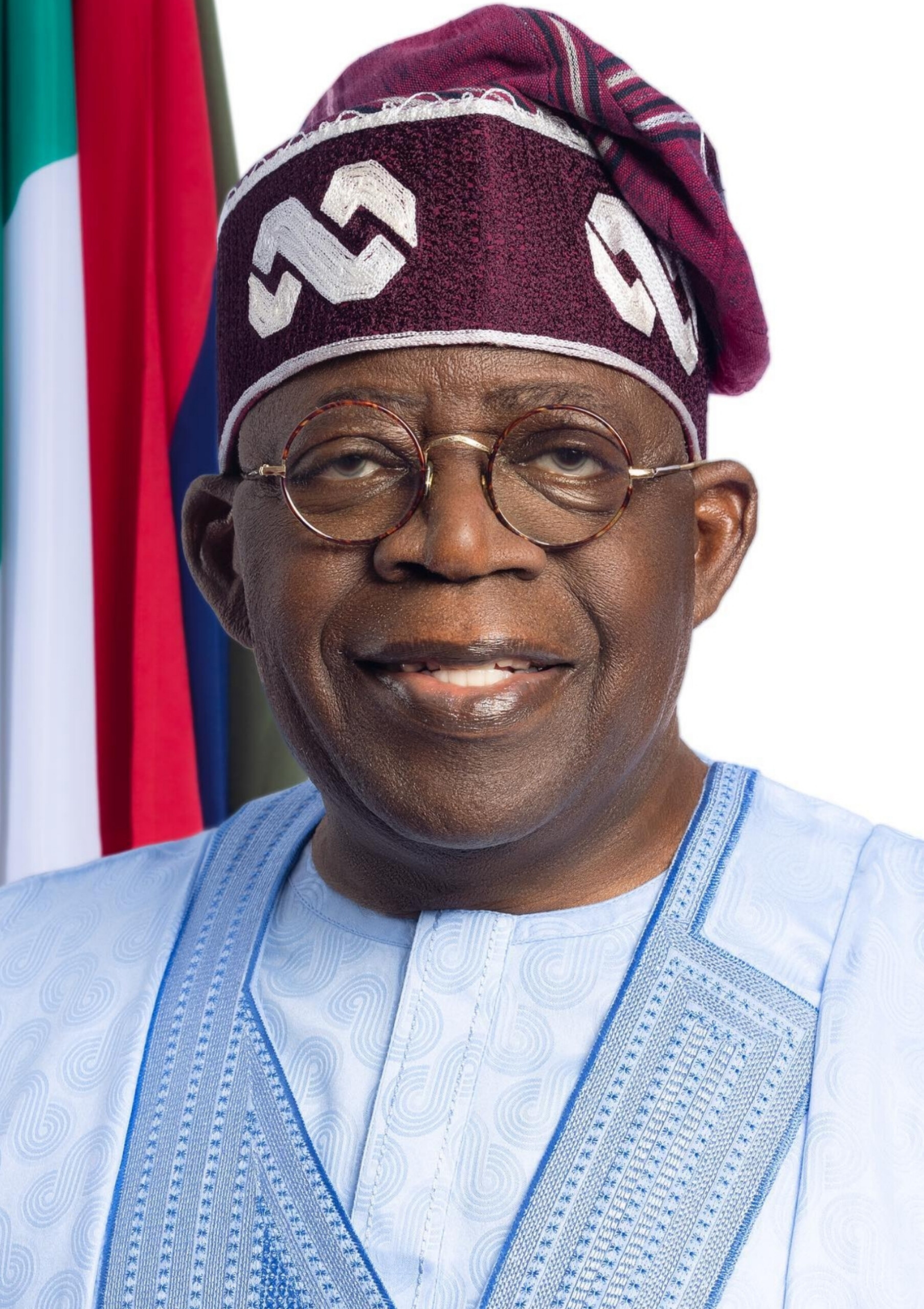
President Bola Tinubu has welcomed the successful closure of a $1.26 billion financing package for Phase 1, Section 2 of the Lagos–Calabar Coastal Highway, describing it as a significant milestone that reinforces his administration’s commitment to infrastructure-led economic growth.
In a statement issued on Friday by his Special Adviser on Information and Strategy, Bayo Onanuga, the President commended the Federal Ministry of Finance, Ministry of Works, and the Debt Management Office (DMO) for their coordination in securing the funding, noting that the deal would guarantee uninterrupted construction on the project.

Picture of Lagos-Calabar highway
“The Lagos–Calabar Coastal Highway is one of President Bola Tinubu’s best gifts to Nigeria. Those who have condemned this historic project will be ashamed of themselves when the Tinubu administration completes the road,” Onanuga said.
According to the statement, Tinubu said the financing breakthrough underscores his administration’s resolve to adopt innovative funding models for critical national projects, stressing that the coastal highway remains central to Nigeria’s economic and infrastructure transformation agenda.
Phase 1, Section 2, which covers about 55.7 kilometres, will link Eleko in Lekki, Lagos State, to Ode-Omi in Ogun State. The President noted that the section is expected to unlock major economic benefits.
“This section is expected to strengthen key economic corridors, improve logistics efficiency and enhance national trade connectivity,” the statement said, adding that the financing follows an earlier $747 million secured for Phase 1, Section 1 of the highway.
The funding package was fully underwritten by First Abu Dhabi Bank (FAB), with risk mitigation support from the Islamic Corporation for the Insurance of Investment and Export Credit (ICIEC). The transaction marks ICIEC’s first Nigerian deal since recent institutional and regulatory reforms, a development the government says reflects rising investor confidence in Nigeria’s reformed investment climate.
SkyKapital acted as the Lead Financial Adviser, while Earth Active (UK) provided environmental and social advisory services in line with international ESG standards. Legal advisory services were handled by Hogan Lovells as International Counsel and Templars as Nigerian Legal Counsel.
Also quoted in the statement, the Minister of Finance and Coordinating Minister of the Economy, Wale Edun, described the transaction as a landmark in Nigeria’s infrastructure development drive.
“The funds will be deployed responsibly to ensure the timely delivery of the project,” Edun said, noting that the deal ranks among the largest ICIEC-supported transactions since the institution’s inception.
He added that construction work is being executed by Hitech Construction Company Limited, whose performance on site has drawn praise from lenders for engineering quality and execution speed.
The Lagos–Calabar Coastal Highway, a proposed 700-kilometre interstate road linking Lagos in the South-West to Calabar in the South-South, is a flagship project under Tinubu’s Renewed Hope Agenda. The administration says the project is designed to unlock Nigeria’s Blue Economy, boosting coastal tourism, fishing, and maritime trade while significantly reducing travel time between the South-West and South-South regions, currently dependent on ageing inland routes.
While critics have questioned the project’s high cost, the absence of an open competitive bidding process, and the demolition of businesses along parts of the Lagos coastline, the government insists that securing financing for successive sections demonstrates the project’s financial viability and scalability, rather than what it calls “a pipe dream.”

