
The ECOWAS Commission, through its Department of Human Development and Social Affairs, in partnership with the Department of Economic Affairs and Agriculture, has officially flagged off the Cotonou stage of the third edition of its regional information and awareness-raising campaign for women small-scale cross-border traders along the Abidjan-Lagos corridor.
This regional initiative builds on the success of earlier campaigns held along the Tema-Paga and Dakar-Banjul-Bissau corridors. Its primary goal is to enhance women traders’ understanding of cross-border trade regulations, familiarize them with key ECOWAS initiatives, and promote the use of tools designed to ensure transparency at borders and combat gender-based violence.
The activities in Cotonou commenced with insightful field visits, including a tour of the city’s modern market and an inspiring visit to a women-led SME specializing in the production of cosmetic products distributed across national and sub-regional markets. A strategic visit to the Sèmè-Kraké juxtaposed border post is also scheduled to foster dialogue among key stakeholders in the cross-border trade ecosystem.
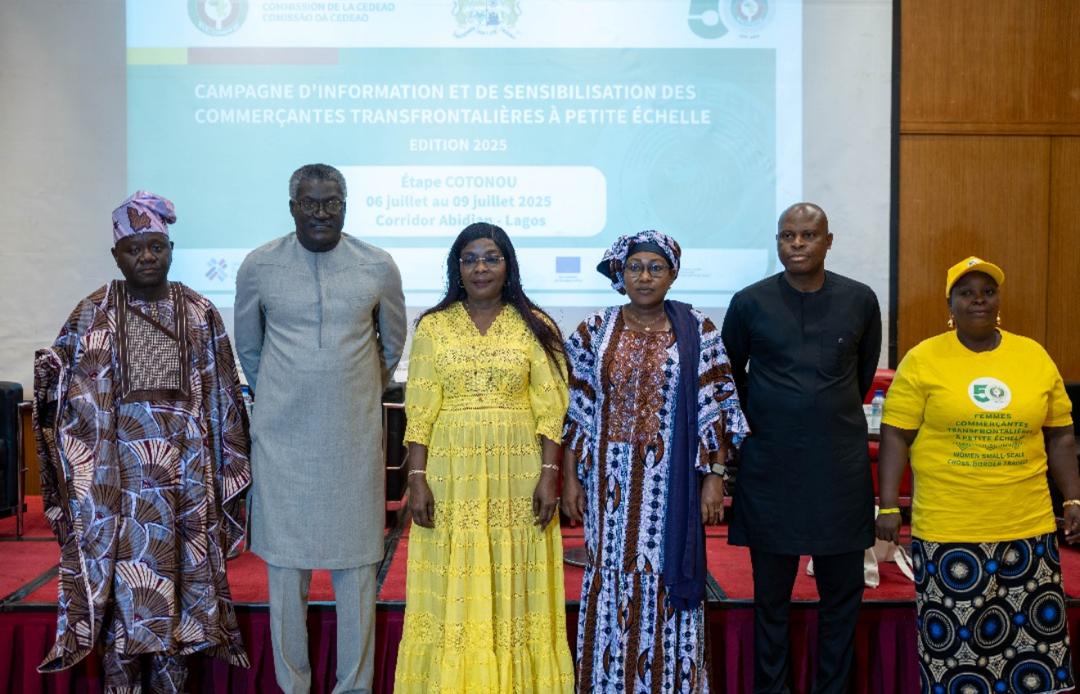
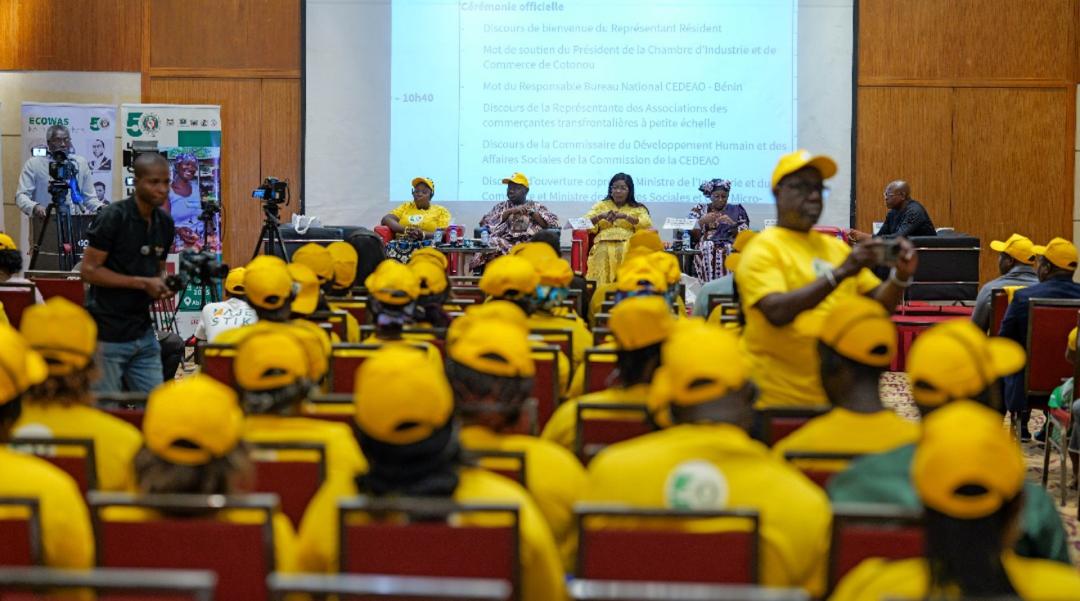
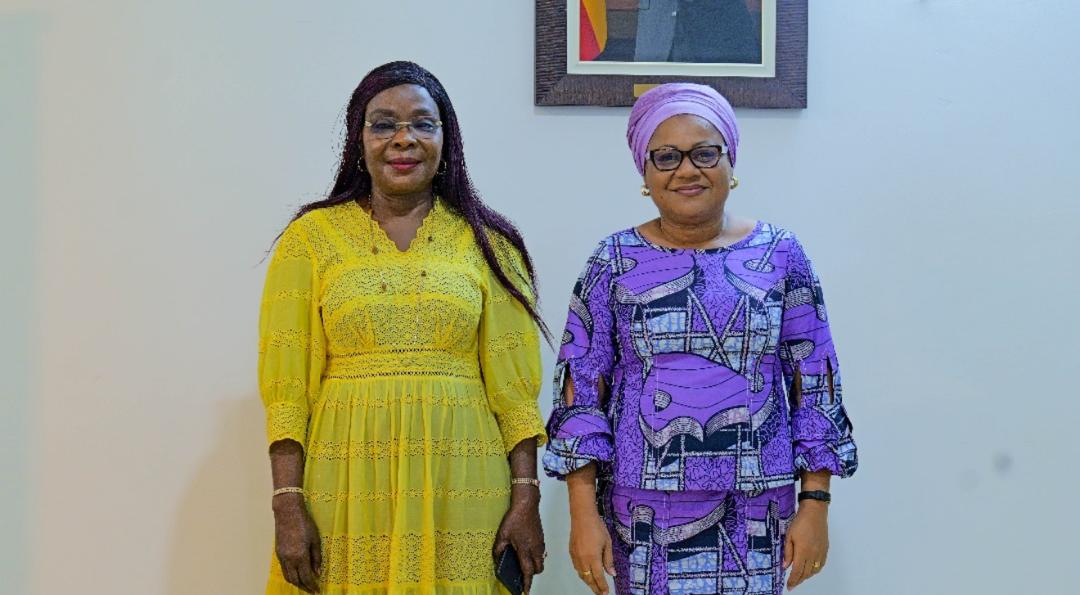
The official launch ceremony took place at the Golden Tulip Hotel and was jointly presided over by senior officials from Benin’s Ministry of Social Affairs and Microfinance and the Ministry of Industry and Trade. Distinguished attendees included Her Excellency Professor Fatou Sow Sarr, ECOWAS Commissioner for Human Development and Social Affairs, and His Excellency Amadou DIONGUE, ECOWAS Resident Representative in Benin.
Also present were representatives from the Cotonou Chamber of Commerce, associations of women cross-border traders, technical and financial partners, and the Director of the ECOWAS National Office in Benin.
This third edition represents a significant milestone in ECOWAS’ ongoing drive to empower women economically and improve the ease and safety of cross-border trade throughout West Africa.