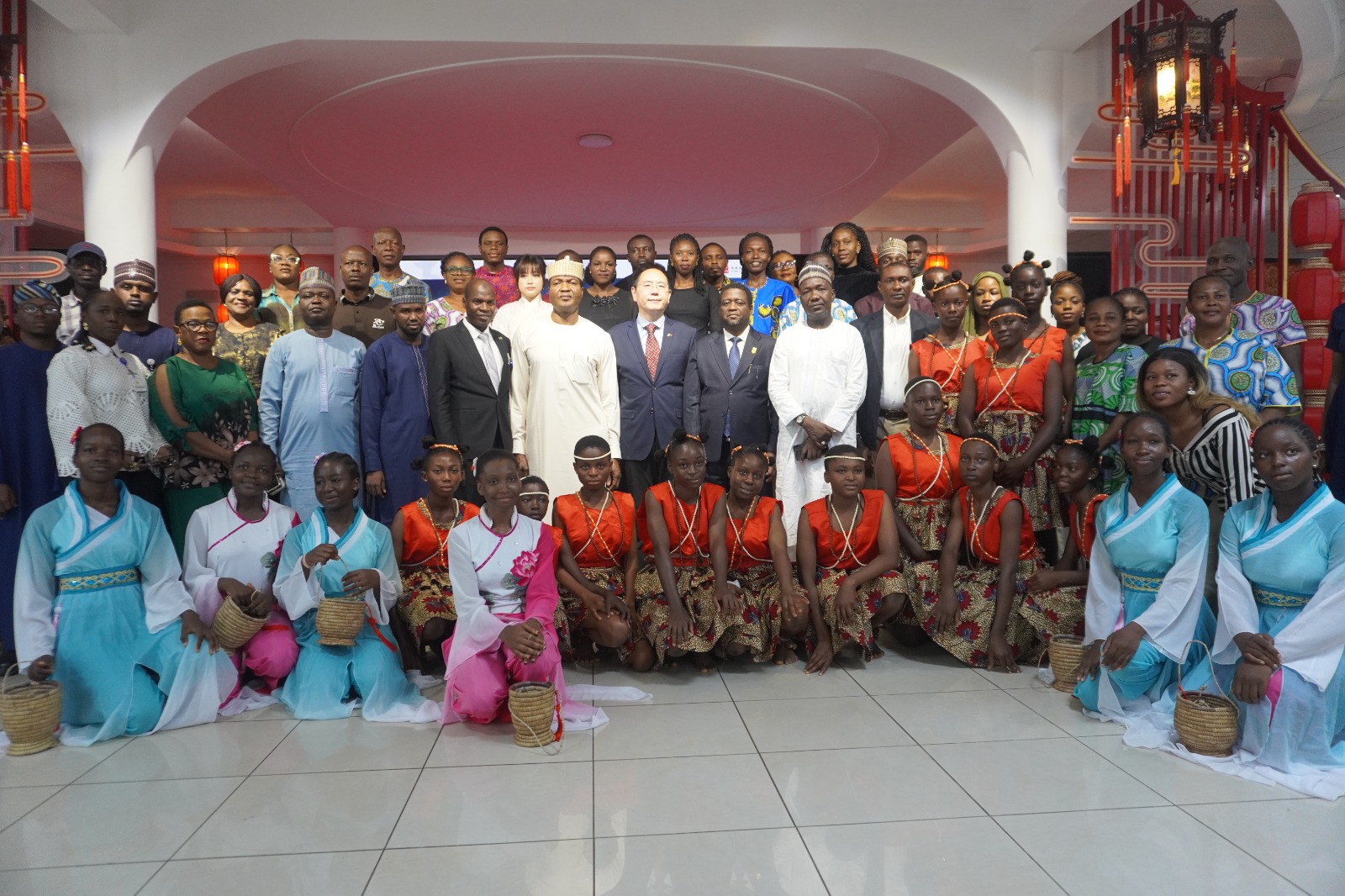
China and Nigeria have reaffirmed their commitment to strengthening cultural, technological and people-to-people exchanges as the China Cultural Centre in Nigeria opened a new exhibition combining traditional Chinese calligraphy with virtual reality technology.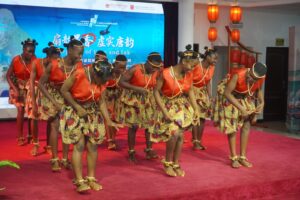
The exhibition, titled “Fan, Charm and Ink Fragrance: The Cultural Resonance of Traditional Calligraphy and Tang Dynasty Virtual Reality”, was launched in Abuja on Tuesday to mark the International Day for Dialogue Among Civilisations and the 55th anniversary of diplomatic relations between China and Nigeria.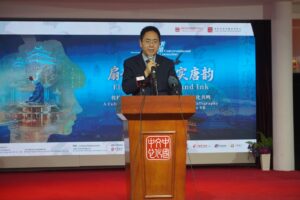
Speaking at the event, Cultural Counselor of the Chinese Embassy and Director of the China Cultural Centre in Nigeria, Yang Jianxing, said the project blends traditional Chinese artistic heritage with modern digital innovation, offering visitors an immersive experience of Chinese culture.
“The blend of ancient and modern, virtual and real will bring our Nigerian friends a brand new experience of Chinese culture, promote exchange and understanding between different cultures, and inject new vitality into strengthening cultural exchange,” he said.
According to Yang, the exhibition features calligraphy, seal carving and paintings created by young artists from leading Chinese institutions, including the China Academy of Art and the Central Academy of Fine Arts. Visitors can also experience a virtual reality journey through the historic Pavilion of Prince Teng and participate in interactive calligraphy and poetry creation.
He noted that the exhibition would remain open to the public until July 10 and encouraged Nigerians to visit with their families and friends.
Yang also highlighted the significance of the event, coming during the China-Africa Year of People-to-People Exchanges and amid growing bilateral cooperation. He noted that China’s recent zero-tariff policy for 53 African countries, including Nigeria, would create new economic opportunities and further strengthen ties between both nations.
Permanent Secretary of the Federal Ministry of Innovation, Science and Technology, Mukhtar Yawale Muhammad, described the event as another milestone in the long-standing relationship between Nigeria and China.
He said both countries have much to gain from deeper collaboration in culture, science, innovation and technology, stressing that dialogue between the two civilizations would contribute to global development and human progress.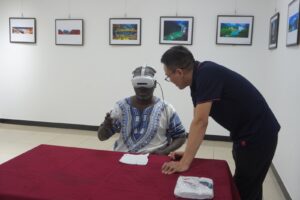
“Nigeria has the largest population in Africa and therefore a dialogue with the Chinese civilisation is really something that will help us advance further in terms of technology, innovation and science,” he said.
Also speaking, Director-General of the Voice of Nigeria, Jibrin Baba Ndace, praised the China Cultural Centre for promoting mutual understanding and cultural diplomacy between the two countries.
Ndace revealed that collaboration between Voice of Nigeria and Chinese institutions had led to the commencement of Mandarin-language broadcasting, expanding the broadcaster’s language services from eight to nine.
He said the partnership would continue to foster intercultural dialogue, media cooperation and stronger people-to-people connections between Nigerians and Chinese citizens.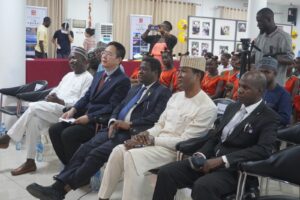
The event attracted government officials, diplomats, academics, media professionals, students and members of the Chinese community in Nigeria, all united in celebrating cultural diversity and dialogue among civilizations.
Participants were also encouraged to embrace cultural differences, promote mutual respect and use cultural exchanges as a bridge for international cooperation and peaceful coexistence.