The United States and Iran exchange fresh military strikes as negotiations aimed at ending their conflict and reopening the strategic Strait of Hormuz remain deadlocked.
The latest escalation comes after weeks of difficult talks marked by sharp rhetoric and intermittent violence, with both sides still divided over Iran’s nuclear programme and ongoing fighting in Lebanon.
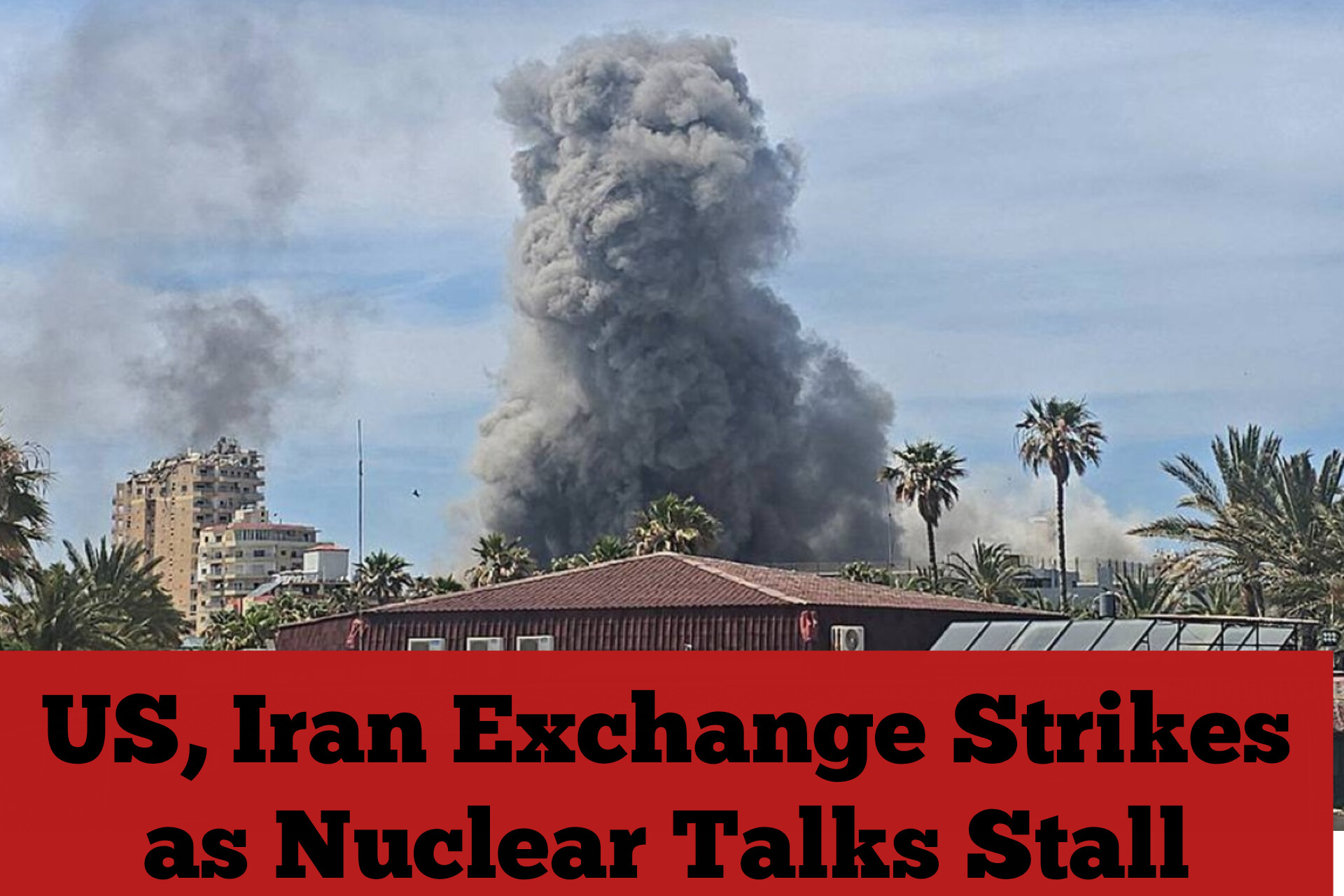
The US military says it carried out what it described as “self-defence strikes” against Iranian radar and drone-control facilities in southern Iran over the weekend.
According to Washington, the attacks were launched in response to the downing of a US MQ-1 drone.
Shortly afterwards, Iran’s Revolutionary Guards announced they had targeted an air base allegedly used by US forces to launch the strikes.
The exchange of fire coincides with an expanded Israeli military offensive in Lebanon, where Prime Minister Benjamin Netanyahu has vowed to push deeper into the country. Israeli forces have also captured the strategic Beaufort Castle, a move Mr Netanyahu described as “a dramatic shift”.
Meanwhile, diplomatic efforts to secure a broader peace agreement appear to have stalled.
US President Donald Trump insists that any deal must guarantee that Iran never acquires nuclear weapons and must also restore safe passage through the Strait of Hormuz, a vital global oil shipping route.
“The one guarantee that I have to have is that there will be no nuclear weapons,” Mr Trump said during an interview on Fox News. “They’ve agreed to that.”
However, Iranian officials have challenged some of the US president’s claims and maintain that negotiations remain unresolved.
“We will not approve any agreement until we are certain that the rights of the Iranian people have been upheld,” Iran’s chief negotiator, Mohammad Bagher Ghalibaf, said in remarks broadcast on state television.
Iranian Foreign Minister Abbas Araghchi also urged caution over reports of progress, saying: “Until a clear conclusion is reached, everything that is being said now is speculation.”
According to Iranian media, Tehran is demanding the release of $12bn in frozen assets before entering substantive negotiations on its nuclear programme.
Reports in US media suggest the White House recently submitted a tougher framework for consideration by Tehran, although details of the proposal have not been made public.
Another major sticking point is the Strait of Hormuz. Mr Trump has suggested that ships would pass through the waterway without paying tolls under a future agreement. However, Iranian media reports quote officials as saying no such provision exists in current discussions.
The wider regional conflict continues to complicate negotiations. Tehran has insisted that any peace deal must also address the war in Lebanon, where clashes between Israel and the Iran-backed Hezbollah movement persist despite a ceasefire agreement announced two months ago.
Lebanese authorities say an Israeli strike in southern Lebanon killed eight people including three women. The United Nations Security Council is expected to hold an emergency meeting to discuss the expanding Israeli offensive.
With both sides continuing military operations while pursuing diplomacy, prospects for a breakthrough remain uncertain.