
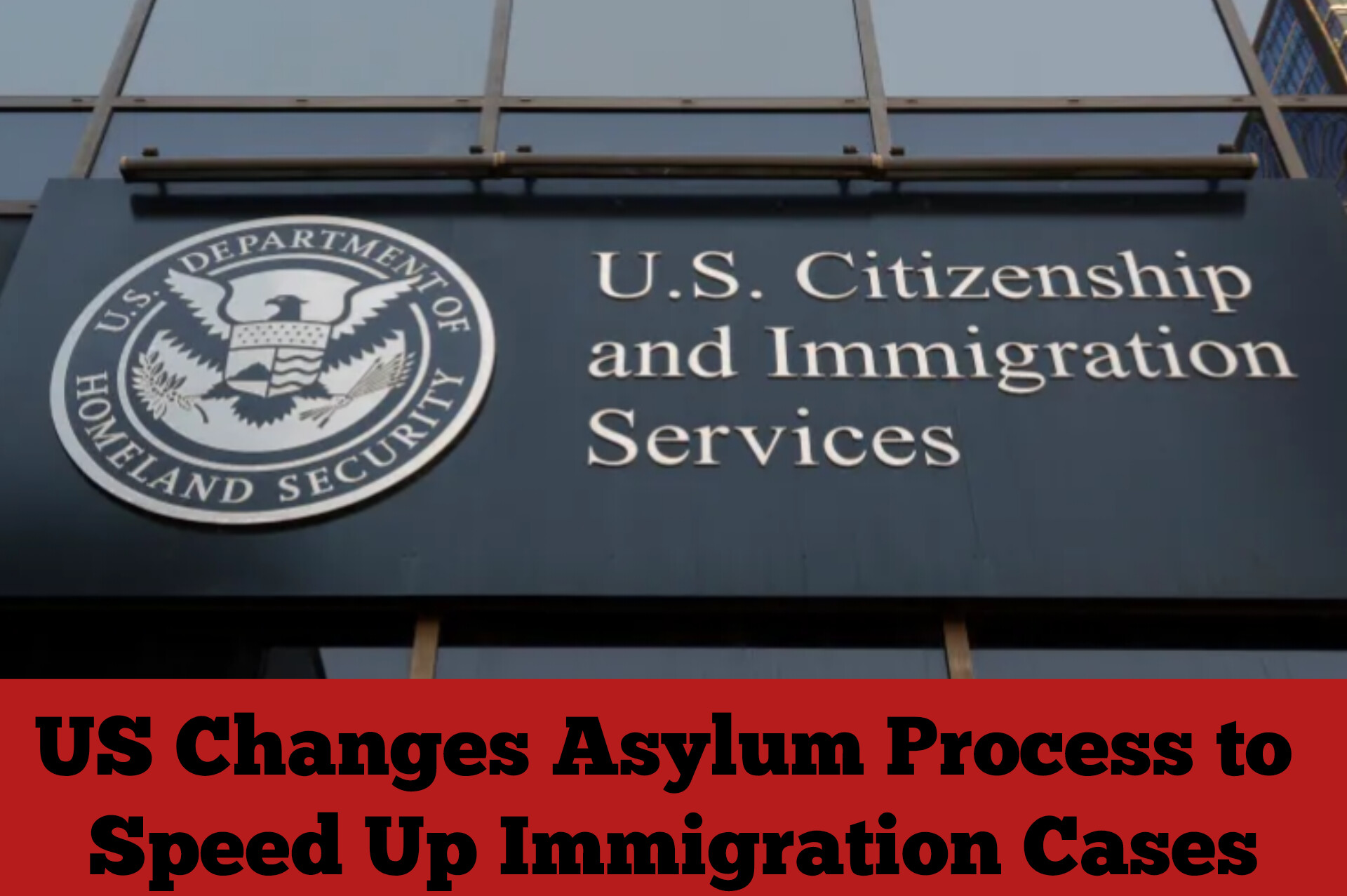
The United States has introduced a new immigration rule allowing certain asylum applications to be referred directly to immigration judges without applicants first undergoing interviews with asylum officers, as authorities seek to reduce the country’s growing asylum backlog.
The interim final rule, announced by the U.S. Citizenship and Immigration Services (USCIS) following a statement from the Department of Homeland Security (DHS), takes effect immediately while the government accepts public comments before issuing a final version.
Under the current system, USCIS processes “affirmative” asylum applications filed by individuals who are not in removal proceedings, while immigration judges under the Department of Justice (DOJ) decide “defensive” asylum claims involving people already facing removal proceedings.
Previously, asylum applications referred by USCIS to immigration judges typically followed an initial interview with an asylum officer, effectively giving some applicants another opportunity to pursue protection. Under the new rule, USCIS can now refer applications directly to immigration judges without conducting that interview.
DHS says the change is designed to shorten processing times for both asylum officers and immigration judges while helping USCIS address its mounting caseload.
USCIS Director Joseph Edlow said the reform would help ensure the asylum system is reserved for those with legitimate protection needs.
“For far too long the asylum system has been exploited for purposes of delay and work authorization, not legitimate claims of protection,” Edlow said.
He added: “America’s asylum system exists to protect individuals who genuinely fear persecution and this rule will help ensure that resources are directed to the timely adjudication of those claims instead of to those seeking to use the system as a loophole.”
DHS General Counsel James Percival argued that lengthy immigration proceedings have hindered enforcement efforts.
“One of the greatest barriers to effective immigration enforcement is intentional delay by illegal aliens and the open borders attorneys who represent them,” Percival said.
He added that his office works with DHS immigration agencies to improve efficiency and said the new rule would support the President’s immigration enforcement agenda.
The rule is effective immediately, although USCIS says it will continue to receive public comments before publishing a final version that addresses feedback from stakeholders.