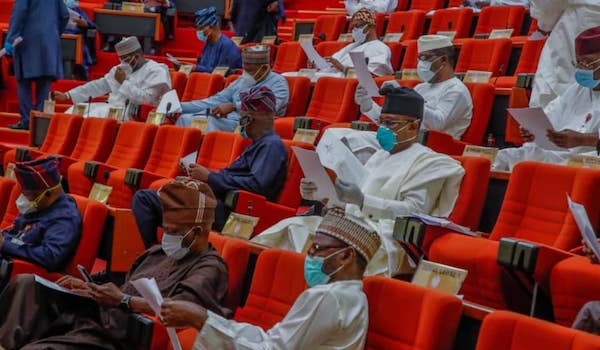
Efforts to amend Nigeria’s 2022 Electoral Act suffered a major setback in the Senate on Thursday, following intense deliberations during plenary. The proposed changes to the Electoral Act, aimed at enhancing the country’s electoral process ahead of future elections, were temporarily shelved after a contentious debate among lawmakers.
The motion was introduced by Senator Simon Lalong (Plateau South), Chairman of the Senate Committee on Electoral Matters, who led the debate on the Electoral Act Amendment Bill. However, resistance from several senators during the general debate led to the suspension of further discussions.
In a dramatic turn during the plenary, Senate President Godswill Akpabio revisited his experience during the 2019 general elections, where he claimed to have been a victim of electoral malpractice. Akpabio, who contested the Akwa Ibom West Senatorial District seat at the time, accused then-Resident Electoral Commissioner (REC), Mike Igini, of alleged bias and misconduct.
While the returning officer in the election, Peter Ogban, was later prosecuted and jailed for electoral fraud, Akpabio lamented that Igini “walked away without accountability,” raising concerns about selective justice in Nigeria’s electoral system.
As tensions rose, the Senate resolved to step down the consideration of the Electoral Act Amendment Bill to a later legislative date, pending further consultations among stakeholders.
This development has sparked renewed interest in the ongoing electoral reform process and the role of the Independent National Electoral Commission (INEC) in ensuring free and fair elections in Nigeria.