The Nigeria Centre for Disease Control and Prevention (NCDC) says there is currently no confirmed case of Ebola Virus Disease (EVD) in the country, but authorities are intensifying surveillance and preparedness measures following a deadly outbreak in the Democratic Republic of the Congo (DRC) and an imported case reported in Uganda.
In a statement issued by the NCDC Director-General Jide Idris said the agency was strengthening laboratory readiness, infection prevention systems and public awareness efforts across Nigeria amid growing regional concern over the spread of the virus.
The warning follows the World Health Organization’s declaration of the latest Ebola outbreak in the DRC and neighbouring Uganda as a “public health emergency of international concern”.
According to health authorities, at least 88 people have died in the outbreak linked to the rare Bundibugyo strain of Ebola, for which there is currently no approved vaccine or treatment.
The outbreak began in eastern DRC’s Ituri province, where officials have recorded about 246 suspected cases. The virus has since spread beyond the region, with infections confirmed in Uganda and cases linked to the outbreak reaching the Congolese capital, Kinshasa.
The WHO said eight laboratory-confirmed cases had so far been identified across three health zones, including Bunia, Mongwalu and Rwampara. One confirmed case in Kinshasa involved a patient who had travelled from Ituri province.
Ugandan authorities also confirmed two Ebola cases linked to the outbreak, including a 59-year-old man who died after testing positive for the virus.
Despite the rising cases, the WHO said the situation did not yet meet the threshold for declaring a pandemic and advised countries against shutting borders or restricting trade.
Reacting to the development, Idris said Nigeria was closely monitoring the situation because of increasing movement across African countries.
“NCDC is closely monitoring the situation and working with relevant stakeholders, including the Port Health Services, to ensure continued vigilance and preparedness within the public health system,” he said.
He described Ebola as a severe viral disease transmitted through direct contact with infected blood, bodily fluids or contaminated materials.
The disease has an incubation period of between two and 21 days. Early symptoms include fever, headache, muscle pain, sore throat and fatigue, which can later develop into vomiting, diarrhoea, skin rash and, in severe cases, bleeding.
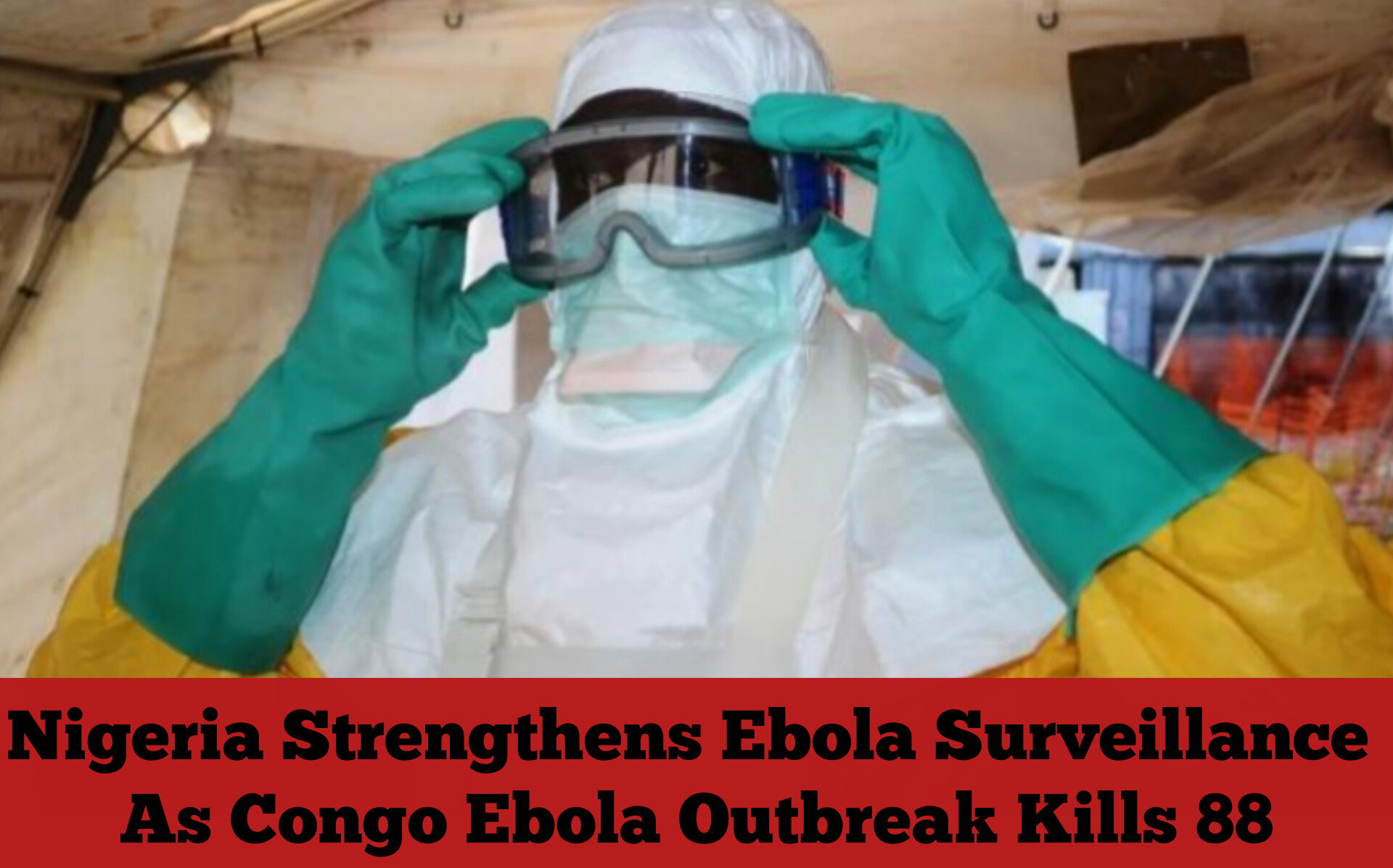
The NCDC advised healthcare workers across Nigeria to maintain a high level of suspicion, especially in patients with compatible symptoms and relevant travel histories.
Idris urged medical personnel to adhere strictly to infection prevention measures, including the early isolation of suspected cases, proper use of personal protective equipment, regular hand hygiene and prompt reporting through official channels.
“NCDC will continue to monitor the situation closely and provide updates as necessary,” he added.
The agency also urged Nigerians to remain calm, practise good hygiene, avoid misinformation and promptly report unusual illnesses to health authorities.
Nigeria won global praise for containing a major Ebola outbreak in 2014 after an infected traveller arrived in Lagos from Liberia, preventing wider transmission in Africa’s most populous country.