


For many, the workshop represented more than training. It was a moment of human stakes — families of detained persons waiting for justice, overcrowded cells, courts with cases piling up
In a modest conference room in Jos, several dozen men and women in uniform, black robes or legal suits took their seats. Some nodded, some quietly reviewed notes, others exchanged earnest glances. Among them were judges from the Plateau State High Court, prosecutors, female lawyers from the branch of the International Federation of Women Lawyers (FIDA), correctional officers from the Nigerian Correctional Service, and civil-defence agents of the Nigerian Security and Civil Defence Corps.
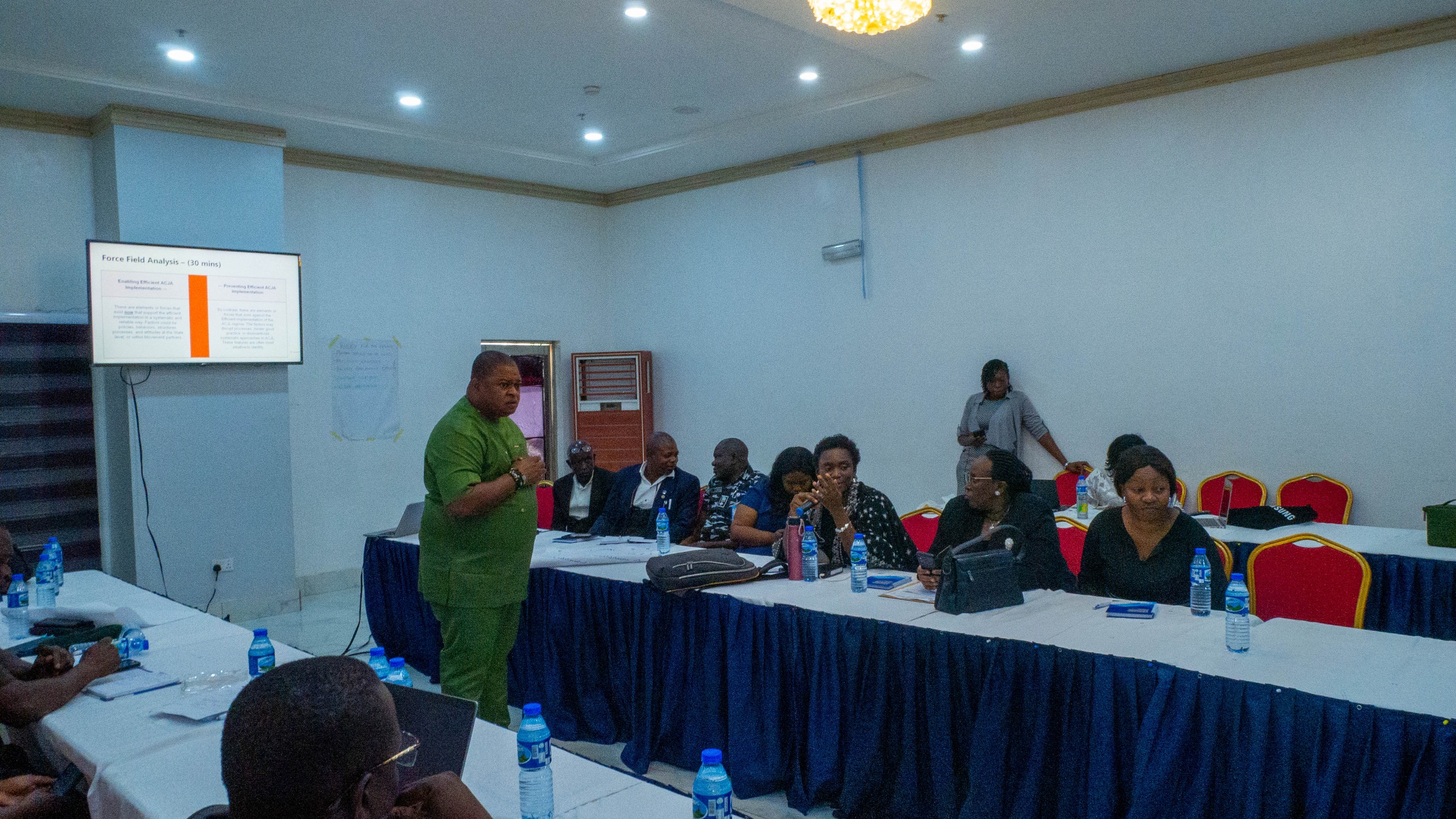
They had travelled from various corners of Plateau State’s justice system. Their reason: a two-day capacity-strengthening workshop organised by the CLEEN Foundation in collaboration with the Norwegian Embassy, Nigeria. The goal: to deepen their technical knowledge and operationalise the key provisions of the state’s Administration of Criminal Justice Law (Plateau State) (ACJL).
“On behalf of the CLEEN Foundation’s board, management and staff, I warmly welcome you all to this two-day workshop on capacity-strengthening for policing, law-enforcement and judicial stakeholders on the Administration of Criminal Justice Law in Plateau State,” opened Dr Gabriel Akinremi.
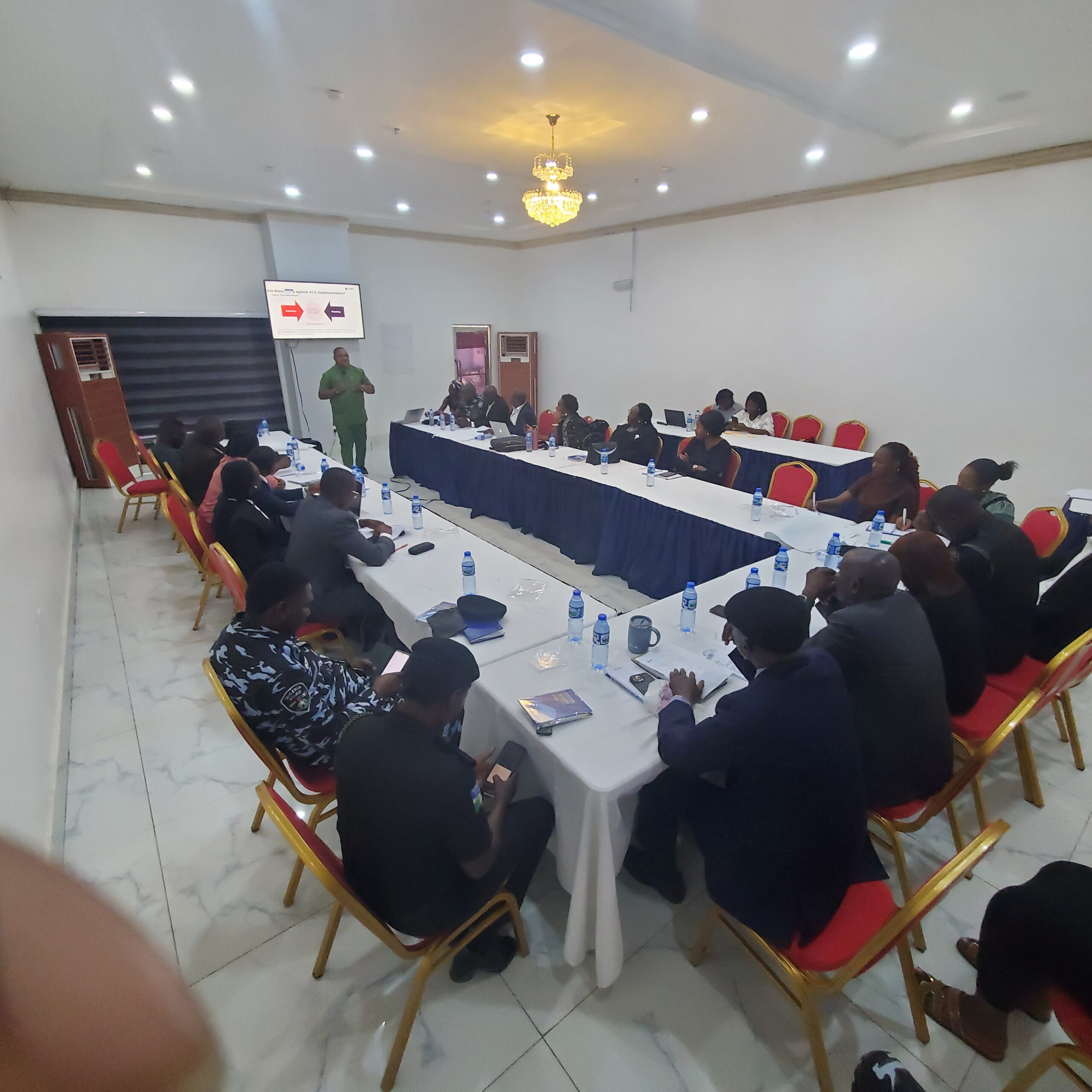
The day began with registration and the arrival of participants. Expectation ran high. Each attendee was asked to write down what they hoped to get from the event:
“To gain better insight on the ACJL”
“To build inter-agency strategy to address trial delays, custodial congestion and rights violations”
“To identify current trends and best global practices in criminal-justice administration”
For many, the workshop represented more than training. It was a moment of human stakes — families of detained persons waiting for justice, overcrowded cells, courts with cases piling up.
“No actor in the administration of criminal justice can achieve results on their own without synergy,” said the representative of FIDA-Plateau.
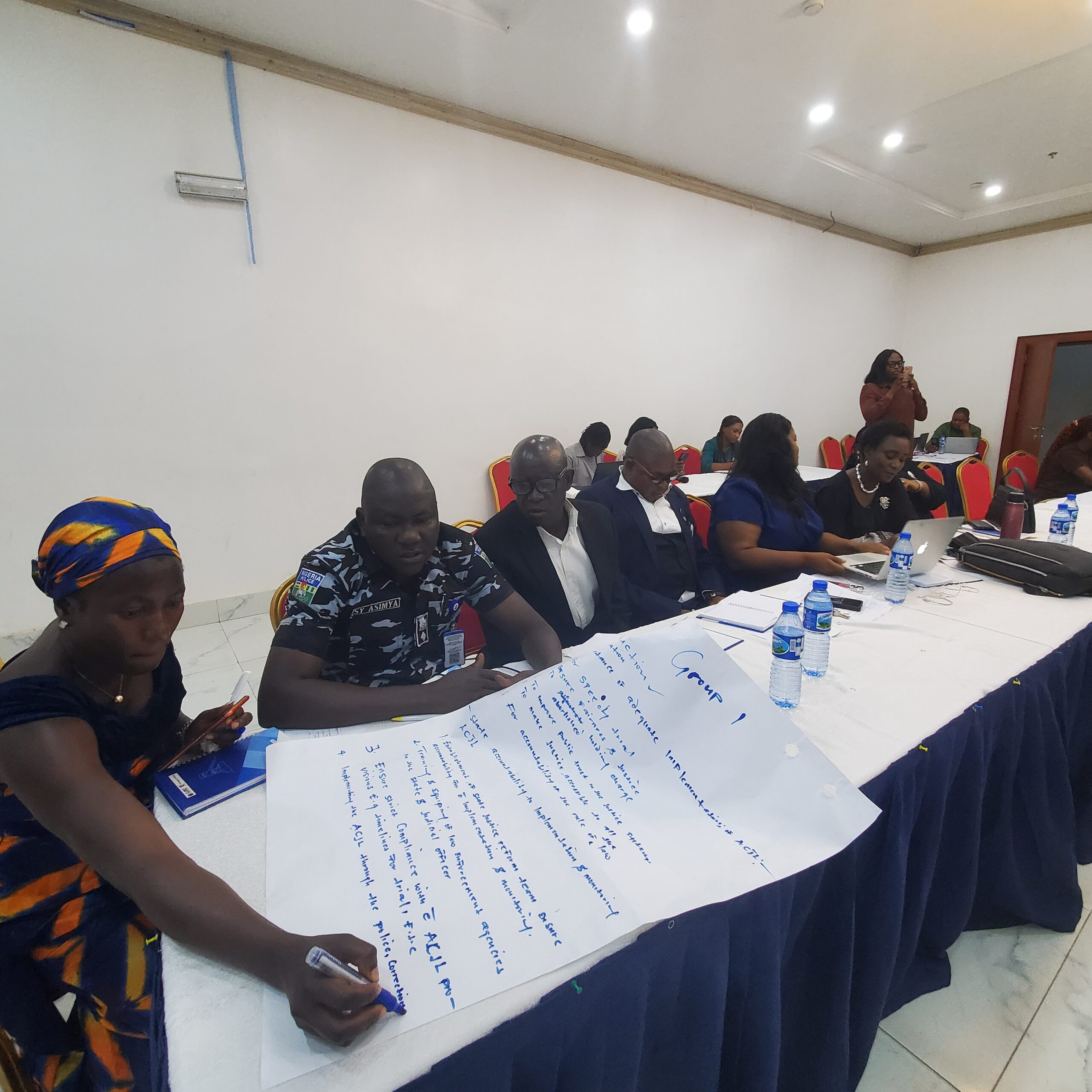
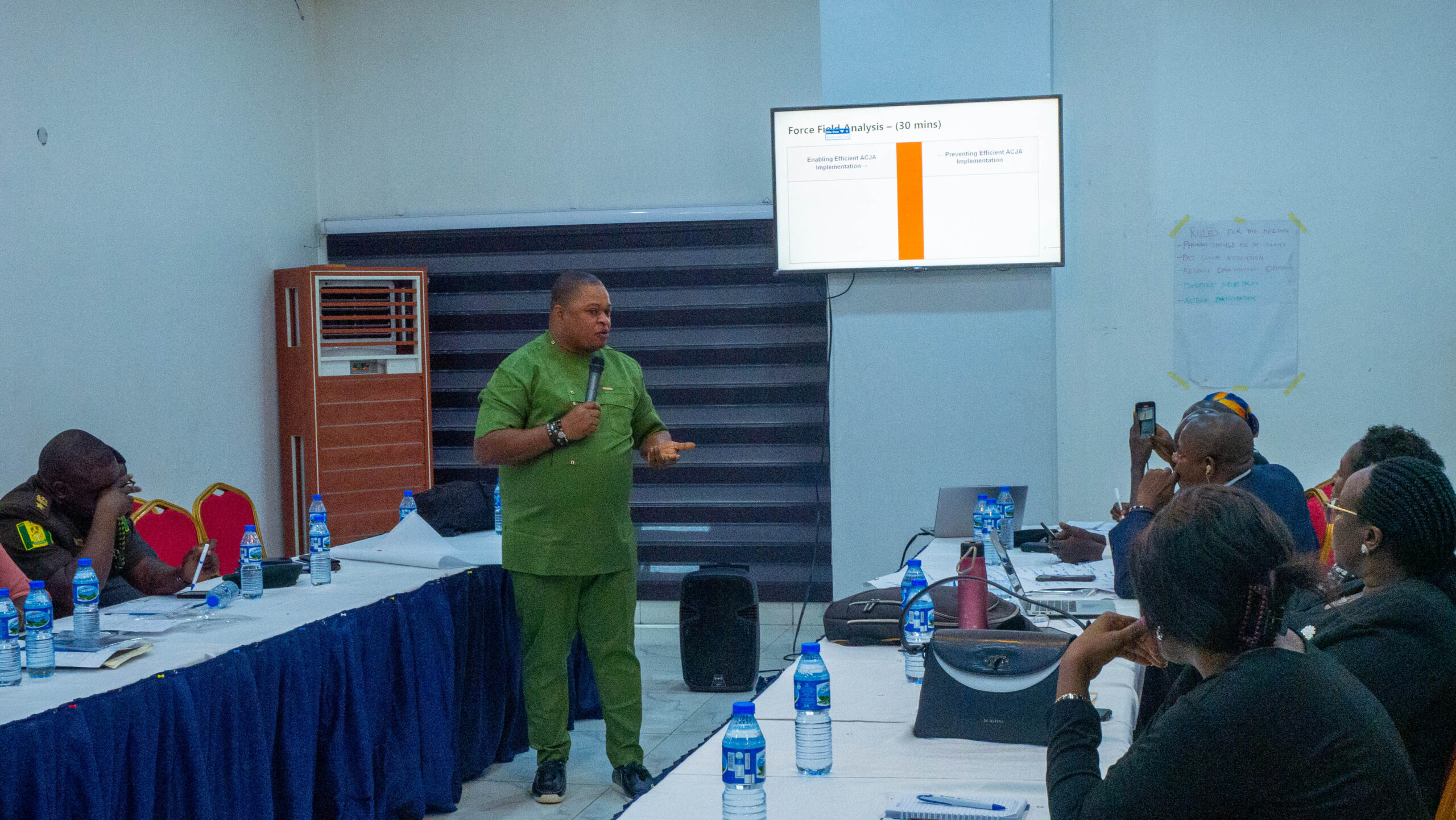
During a session facilitated by Dr Salaudeen Ashiru of CLEEN Foundation, participants conducted self-assessments in groups. They mapped out where their institutions were strong and where obstacles remained: logistical constraints, lack of coordination, rights violations. One group presentation uncovered how a local police station still lacked adequate custodial-review procedures under the ACJL.
Representatives of security and justice agencies also delivered goodwill messages. CSP S.Y. Asimya, speaking for the state coordinator of the agency known as Operation Rainbow, said:
“We do not prosecute, but we liaise and work with security agencies to ensure efficient dispensation of justice.”
The correctional service spoke of its role in the chain:
“It is important that administration-of-criminal-justice actors collaborate—effective dispensation of justice requires synergy.”
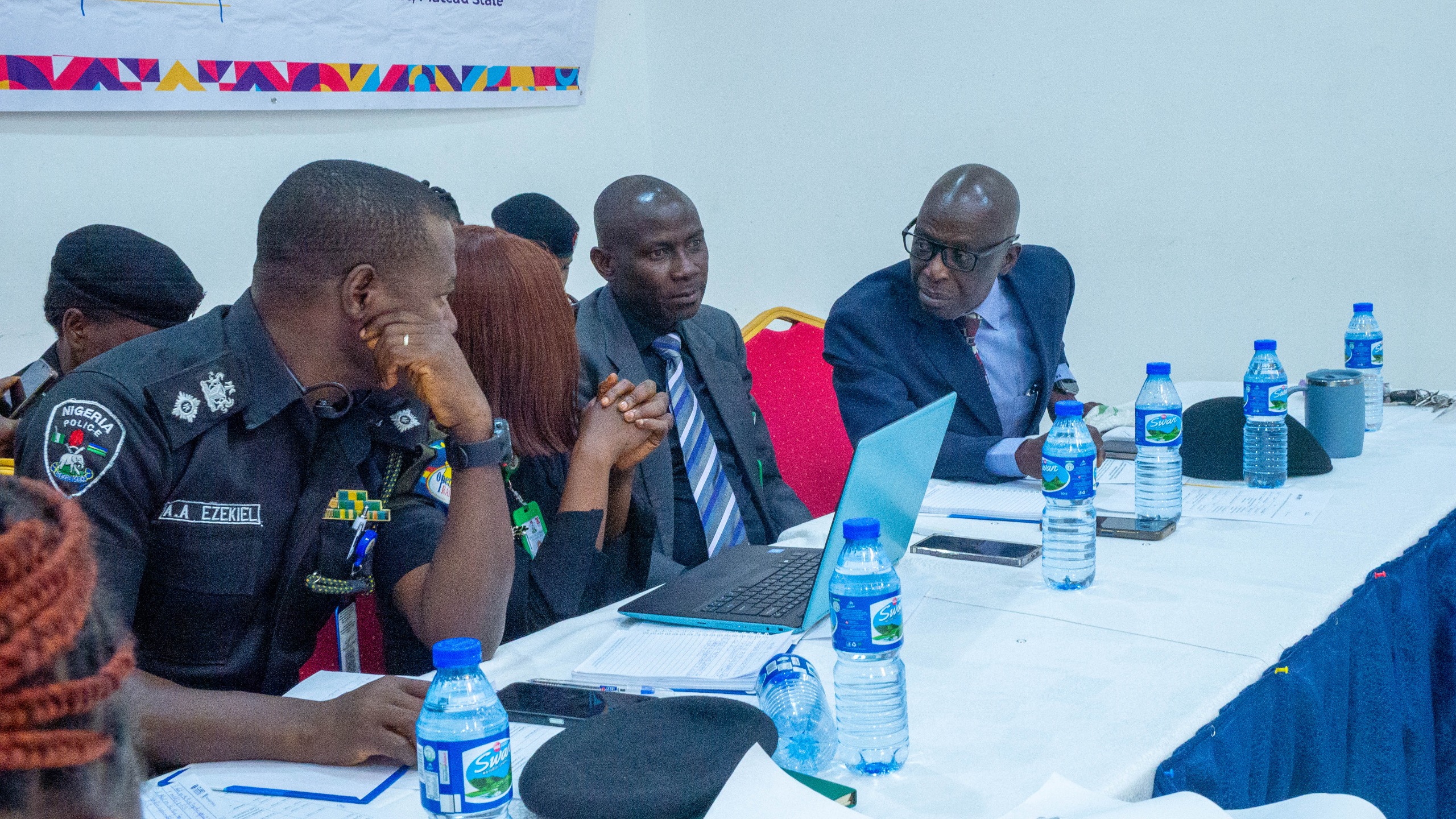
And the judiciary, represented by Hon. Justice A.I Ashoms on behalf of the Chief Judge of Plateau State, declared:
“Anything that has to do with ACJL, the Chief Judge is passionate about it. The judiciary is delighted for the interest shown in Plateau State.”
Human-Interest Threads: Faces Behind the Framework
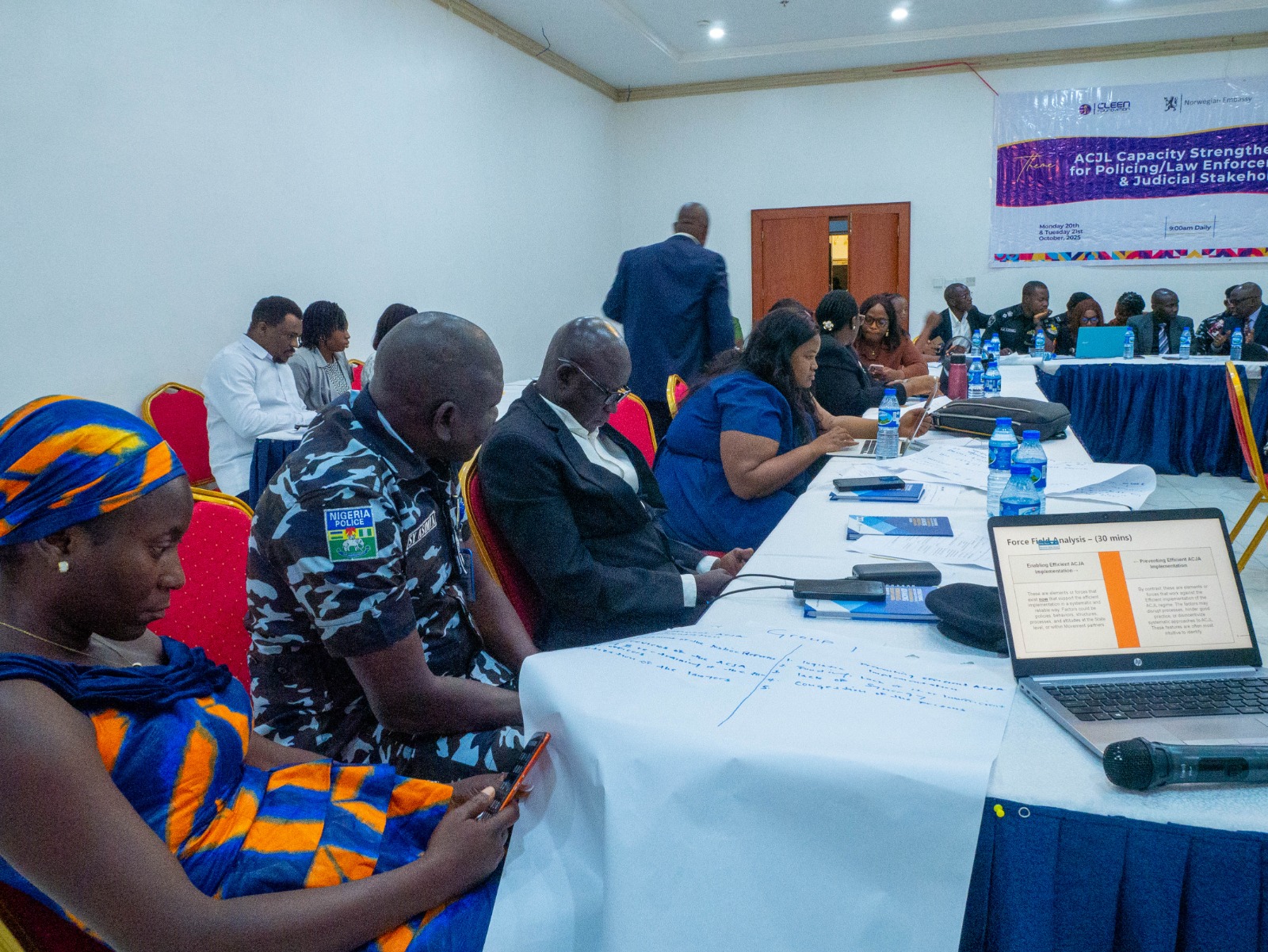
One prosecutor confessed the ACJL had seemed “an abstract law” until she saw its implications in trial delay cases where defendants spent months in custody without charge. A female FIDA lawyer recounted how victims of rights violations often had no voice because agencies didn’t link up. A correctional-officer shared how he witnessed young detainees held beyond remand limits—the workshop made him pledge to push for monitoring and timely review.
Why It Matters
Stakeholders that gathered at the workshop were not merely discussing statistics and clauses. They were dealing with human lives: rights suspended, families waiting, communities yearning for fairness. The ACJL is designed to improve efficiency, coordination, and human rights in Nigeria’s criminal-justice system.
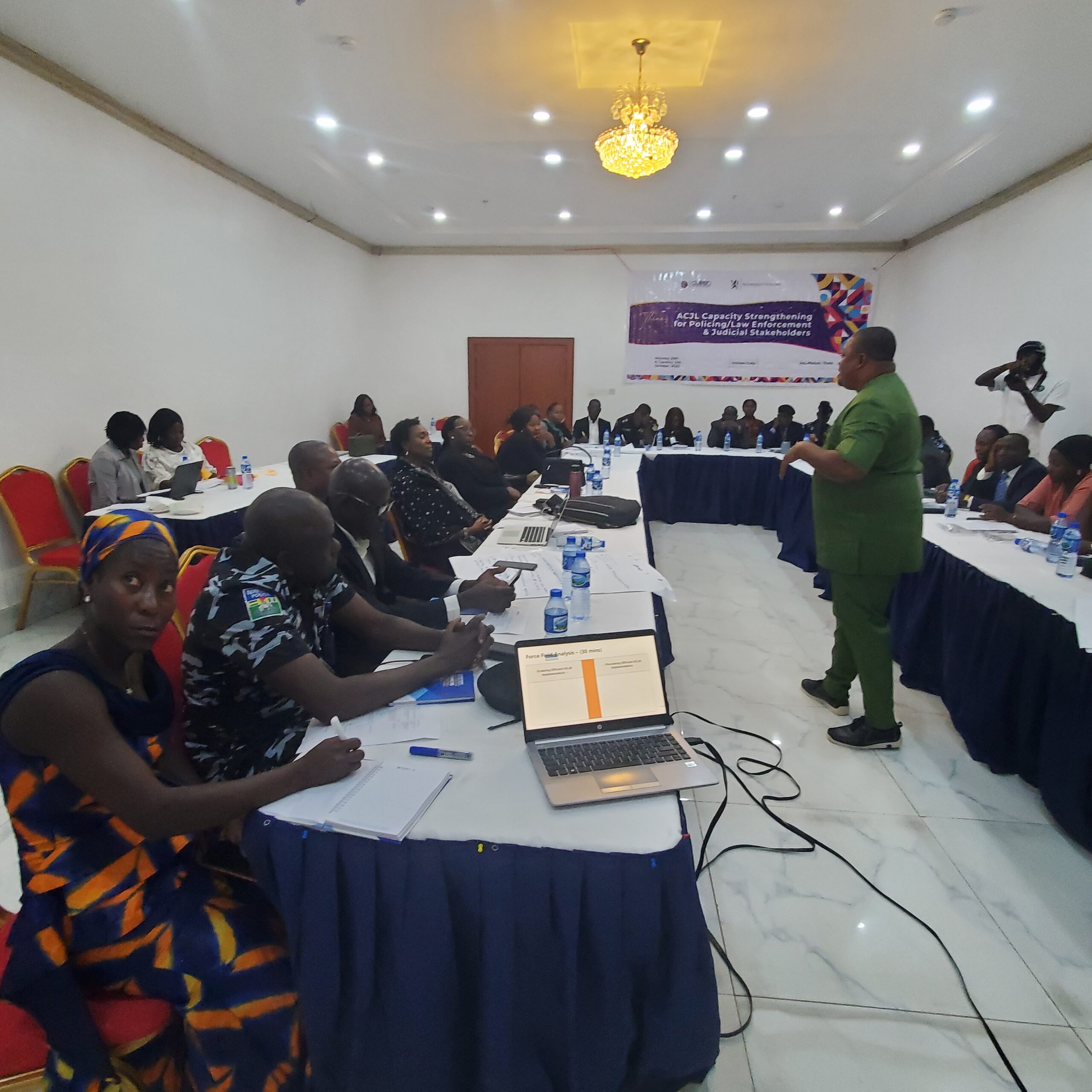
But across many states, inadequate funding and weak agency coordination remain a barrier. By strengthening the technical capacity and forging inter-agency frameworks, this workshop in Plateau may empower officials to transform the justice-system experience for ordinary citizens.
Next Steps
The organisers emphasise inter-agency frameworks and actionable strategies to mitigate systematic challenges such as trial delays, custodial congestion and rights violations. With consistent follow-up, the training may mark a turning point: from isolated institutions to a coordinated justice ecosystem.
For the participants, the hope is personal: faster trials, fewer rights infringements, less burden on families. For the state, the hope is systemic: a justice system that works fairly and swiftly.
Our Correspondent reports that with the dialogue opened, the real test now is whether the law, once printed in statute books, translates into practice in the courtroom, on the street, and in cells.
Sandra Chukwugekwu reporting from Jos, Plateau State


