Nigeria and the United States have reaffirmed their commitment to strengthening cooperation in security, trade, investment, technology and democratic governance as both countries seek to expand their strategic partnership.
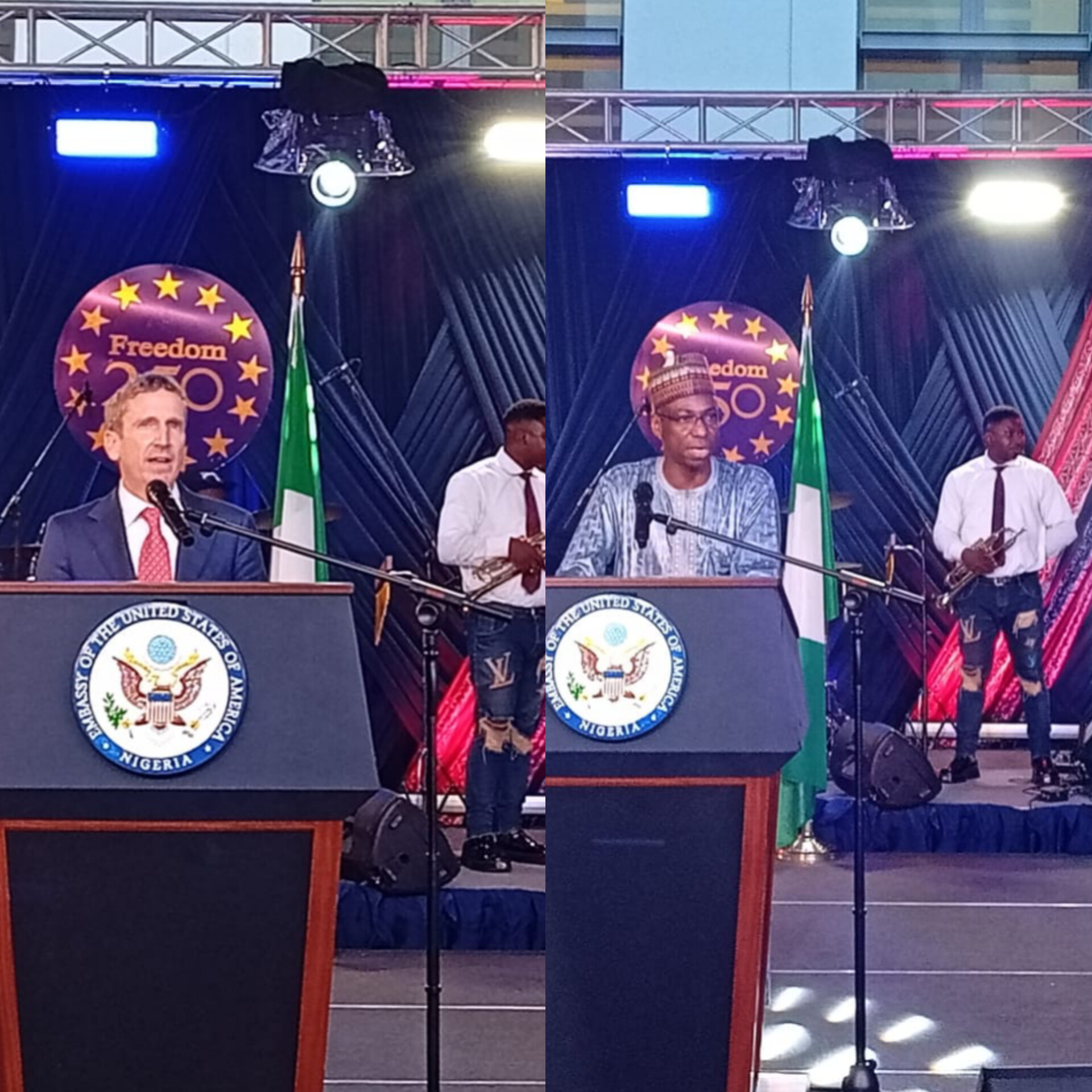
Speaking at the U.S. Embassy’s reception in Abuja marking America’s 250th Independence Anniversary, the U.S. Chargé d’Affaires, Keith Heffern, described the celebration, known as “Freedom 250”, as an opportunity to renew ties with key partners, including Nigeria.
“The United States and Nigeria share more than a friendship. We share a commitment to security, to sovereignty, and to the belief that free people, working together, can build something extraordinary,” Heffern said.
He highlighted ongoing collaboration between both countries in tackling terrorism, particularly in Nigeria’s North-East and the Lake Chad Basin, noting that the partnership had helped save lives and protect communities.
Heffern also said Washington was shifting its engagement with Nigeria towards stronger commercial partnerships, with greater emphasis on trade, investment and economic growth.
“We want Nigerian ingenuity and American innovation to write the next chapter of this partnership — one defined by trade, technology and shared excellence,” he said.
Representing the Nigerian government, Minister of Steel Development, Shuaibu Abubakar Audu, congratulated the United States on the milestone and described relations between the two countries as longstanding and productive.
He said cooperation in agriculture, trade, investment and security had continued to deepen, adding that recent security successes demonstrated the value of joint efforts.
Audu said Nigeria remained a dependable partner of the United States and expressed optimism about expanding collaboration in emerging sectors, including artificial intelligence, digital innovation and energy security.
Permanent Secretary of the Ministry of Foreign Affairs, Ambassador Dunoma Umar Ahmed, also reaffirmed Nigeria’s commitment to the bilateral relationship, noting that cooperation with the United States had evolved in response to changing global realities.
Ahmed commended U.S. support for Nigeria’s counter-terrorism efforts through intelligence sharing, military training and defence assistance, saying the partnership had contributed to regional stability.
He also acknowledged American support for Nigeria’s health sector through vaccines, medicines and healthcare programmes, while revealing that both countries were exploring deeper collaboration in clean energy, including a proposed Memorandum of Understanding on strategic civil nuclear cooperation.
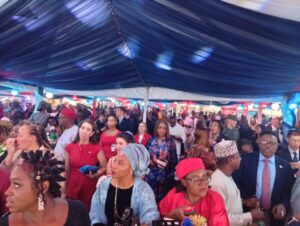
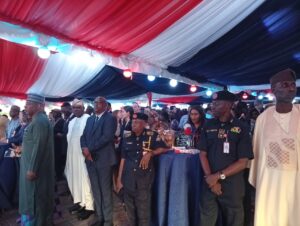
The event brought together senior government officials, diplomats, lawmakers and business leaders, underscoring the enduring partnership between Nigeria and the United States.