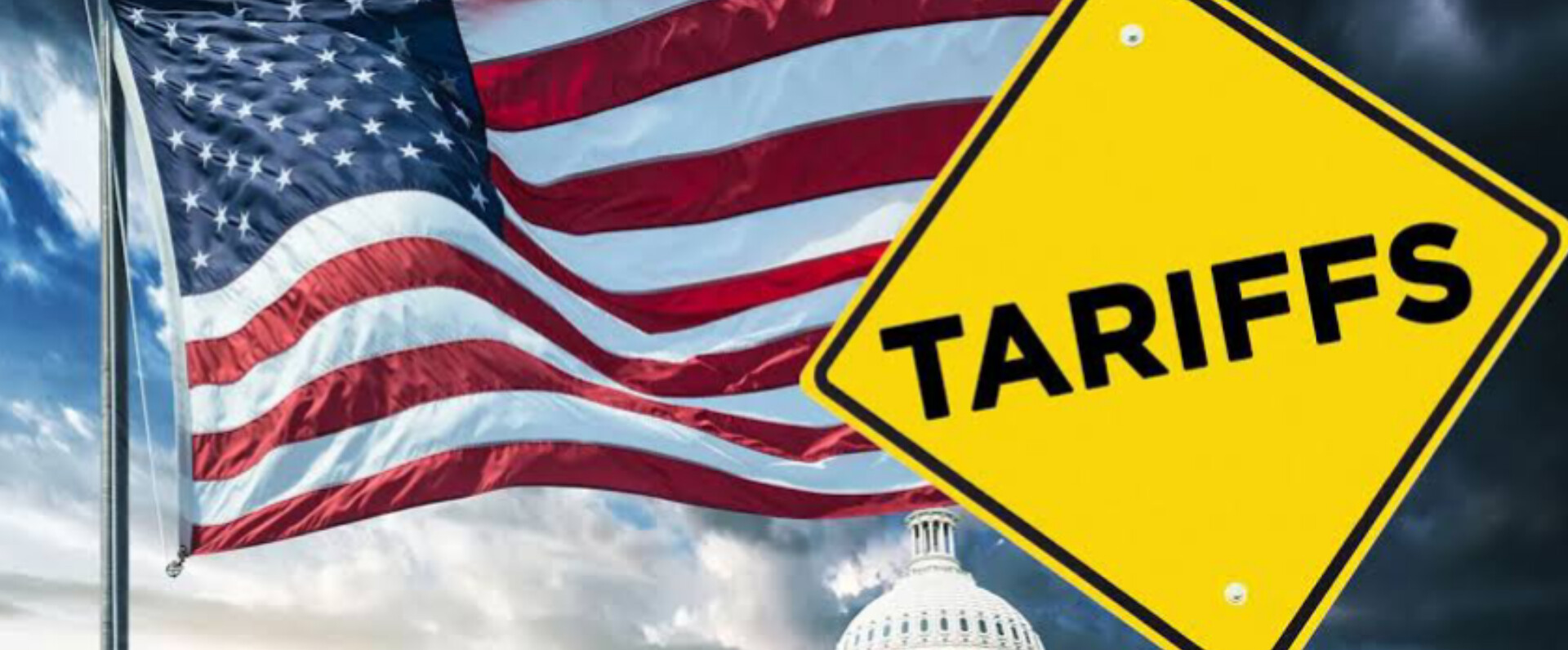
In a landmark announcement, the U.S. President Donald Trump revealed a comprehensive trade agreement between the United States and South Korea, featuring a 15% tariff on South Korean imports and a $350 billion investment pledge from Seoul.
Posting on his Truth Social platform, Trump hailed the pact as a “full and complete trade deal,” emphasizing that South Korea will commit $350 billion in investments into the U.S. economy. As part of the deal, South Korea is also set to purchase $100 billion worth of liquefied natural gas and other energy products from the U.S.
The 15% tariff is notably lower than the 25% rate previously threatened by Trump and aligns with the terms negotiated in U.S. trade deals with Japan and the European Union. Trump also disclosed that South Korea will announce a further “large sum of money” during an upcoming White House bilateral meeting with President Lee Jae-myung, expected within two weeks.
South Korean Finance Minister Koo Yun-cheol credited the breakthrough to Seoul’s support for the U.S. shipbuilding sector, referencing the “Make American Shipbuilding Great Again (MASGA)” initiative—a clear nod to Trump’s “MAGA” movement.
“Our world-class shipbuilding companies, equipped with unmatched design and construction expertise, are expected to help revive the U.S. shipbuilding industry,” Koo said during a press briefing in Washington. Shares of Hanwha Ocean, a South Korean shipbuilding firm with a shipyard in Philadelphia, surged more than 15% in Thursday trading following the announcement.
South Korean President Lee Jae-myung, newly elected after a snap election triggered by the impeachment of Yoon Suk-yeol, praised the agreement in a Facebook post, calling it a “major trade challenge overcome” by his administration.
“Through this deal, we have removed the uncertainty around our export conditions and ensured tariff rates that are either equal to or lower than those imposed on our key trade rivals,” Lee said. He described the deal as an “early victory” for his export-driven administration and a strategic alignment of Korean industrial strength with America’s manufacturing revival goals.
Since returning to the Oval Office in January, Trump has aggressively reshaped global trade dynamics, imposing a blanket 10% tariff on allies and competitors, with steeper rates planned for dozens of nations starting August 1. On Wednesday, he also introduced 25% tariffs on Indian imports and a hefty 50% on Brazilian goods—reportedly in retaliation for the legal troubles facing Brazil’s former far-right president, Jair Bolsonaro.