
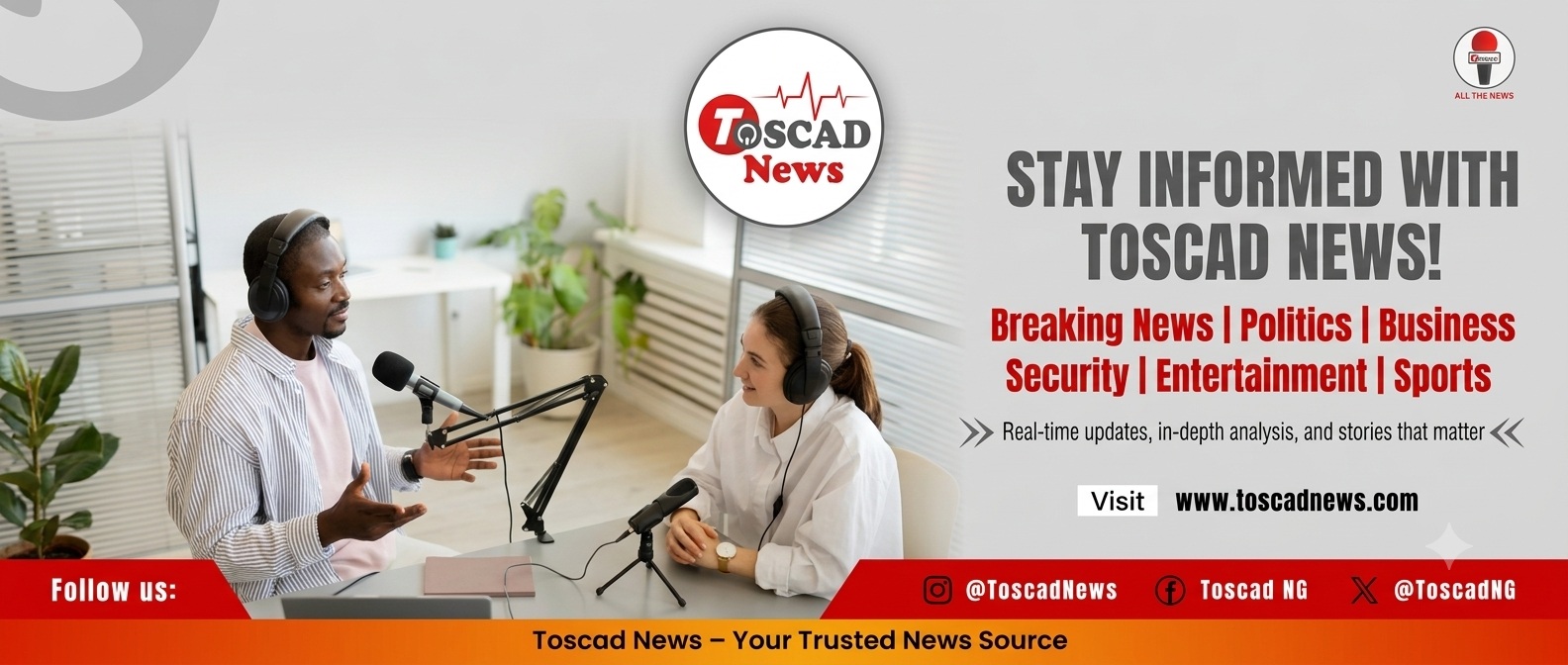
Nigeria’s Foreign Affairs Minister, Ambassador Bianca Odumegwu-Ojukwu, has called for deeper cooperation between Africa and South Korea to tackle climate change, insecurity and future pandemics, insisting that the continent is seeking partnerships rather than aid.
Speaking at the Korea-Africa Foreign Ministers’ Meeting in Seoul, themed “Joint Responses to Global Challenges: Korea-Africa Solidarity”, the minister said today’s interconnected global challenges require countries to work together through “shared responsibility” and practical cooperation.
Addressing foreign ministers and delegates, Odumegwu-Ojukwu said no nation can solve modern challenges alone, noting that climate change, pandemics, food insecurity and conflicts increasingly have global consequences.
“This is the age of shared vulnerabilities, and therefore, it must also be the age of shared responsibility,” she said.
The minister proposed the establishment of a Korea-Africa Green Energy Alliance, combining South Korea’s technological expertise with Africa’s vast renewable energy resources.
She highlighted the impact of climate change on Africa, noting that the continent contributes less than 4% of global greenhouse gas emissions but suffers disproportionately from environmental shocks.
“The Lake Chad Basin has shrunk by 90% in 60 years, while coastal cities from Lagos to Dakar face rising sea levels,” she said.
Odumegwu-Ojukwu noted that Nigeria’s Energy Transition Plan aims to achieve net-zero emissions by 2060 and requires an estimated $410bn in investment.
“This is not a plea for aid. This is an invitation to co-create the industries of the future,” she told the gathering.
On security, the minister said threats such as terrorism in the Sahel, piracy in the Gulf of Guinea and unconstitutional changes of government have implications far beyond Africa.
She commended South Korea’s contributions to United Nations peacekeeping operations and called for greater collaboration in intelligence sharing, maritime security and capacity building for African-led peace missions.
“Solidarity means standing together for a rules-based international order – from the Korean Peninsula to the Gulf of Guinea,” she said.
The minister also urged stronger cooperation in healthcare and pandemic preparedness, warning that lessons from Covid-19 should not be forgotten.
She described Africa’s dependence on imported medicines and vaccines as “unacceptable and unsustainable”, revealing that the continent imports 99% of its vaccines and 95% of its medicines.
Nigeria, she said, supports South Korea’s biotechnology initiatives and is proposing a Korea-Africa Health Security Compact to establish vaccine manufacturing hubs across Africa through technology transfer and joint investment.
“We must ensure that, in the face of the next pandemic — which is a matter of when, not if — Africa and Korea respond not as donor and recipient, but as joint shareholders in global health security.”
Beyond sectoral cooperation, Odumegwu-Ojukwu called for reforms to global governance institutions, arguing that the international financial architecture created after World War II is no longer fit for purpose.
She urged greater African representation in institutions such as the United Nations Security Council, the International Monetary Fund and the World Bank, while thanking South Korea for supporting Africa’s push for a stronger voice in global decision-making.
The minister stressed that Nigeria’s engagement with South Korea is based on mutual benefit and partnership rather than dependence.
“Nigeria does not come to this table seeking charity. We come seeking partnership,” she said.
Drawing parallels between Africa’s current development trajectory and South Korea’s post-war transformation, she said the continent is “young, determined, and ready to leap” towards economic transformation.
She concluded by urging both sides to deepen cooperation in confronting global challenges.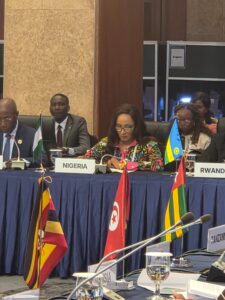
Related Posts
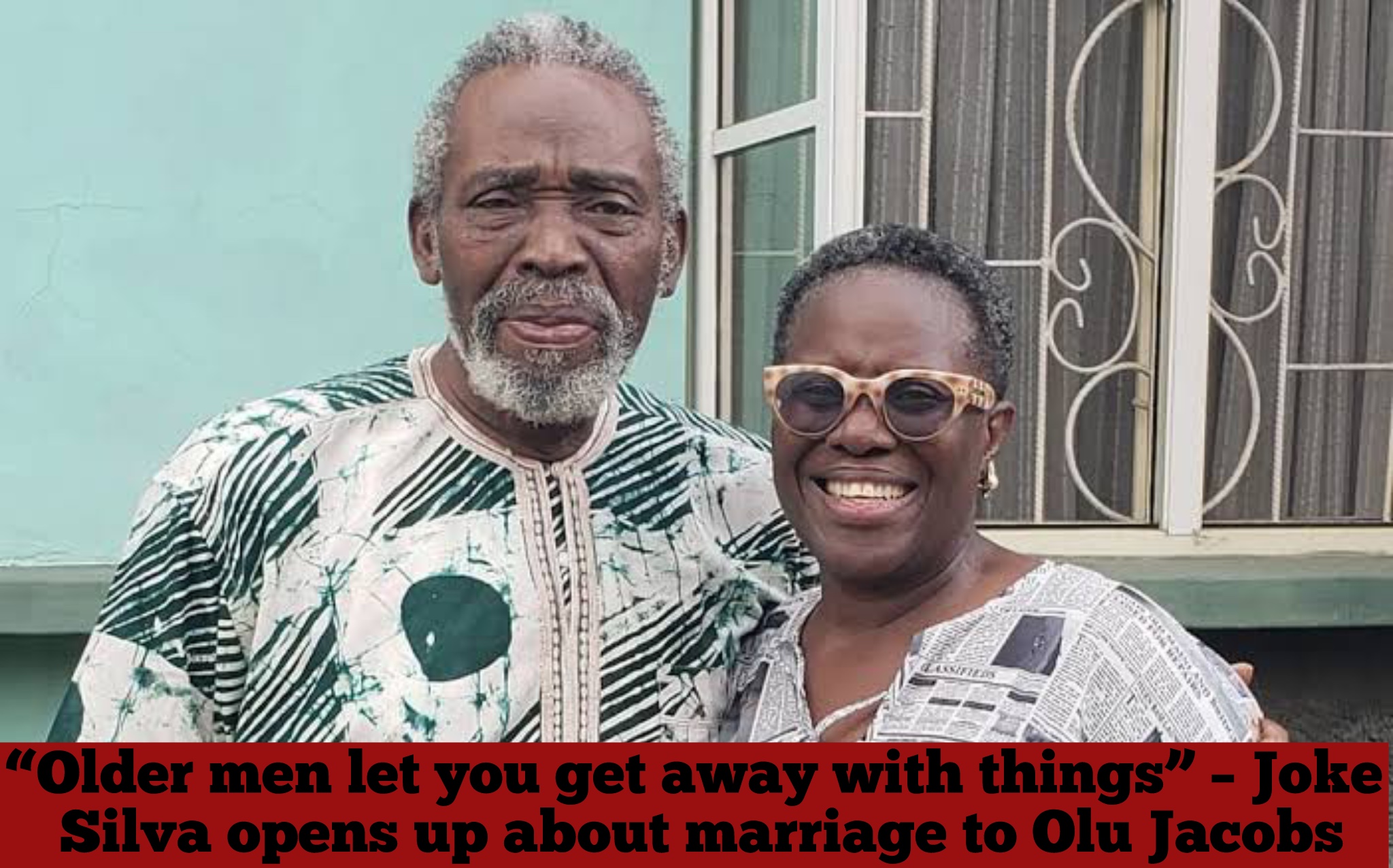
“Older men let you get away with things” – Joke Silva opens up about marriage to Olu Jacobs
Spread the loveVeteran Nollywood actress, Joke Silva has opened up about one of the advantages of marrying an older partner, offering rare insight into her decades-long marriage to Nollywood legend Olu Jacobs. The 64-year-old actress shared the heartfelt revelation during a recent appearance on TVC’s Your View, where she reflected…
Spread the loveVeteran Nollywood actress, Joke Silva has opened up about one of the advantages of marrying an older partner, offering rare insight into her decades-long marriage to Nollywood legend Olu Jacobs. The 64-year-old actress shared the heartfelt revelation during a recent appearance on TVC’s Your View, where she reflected…
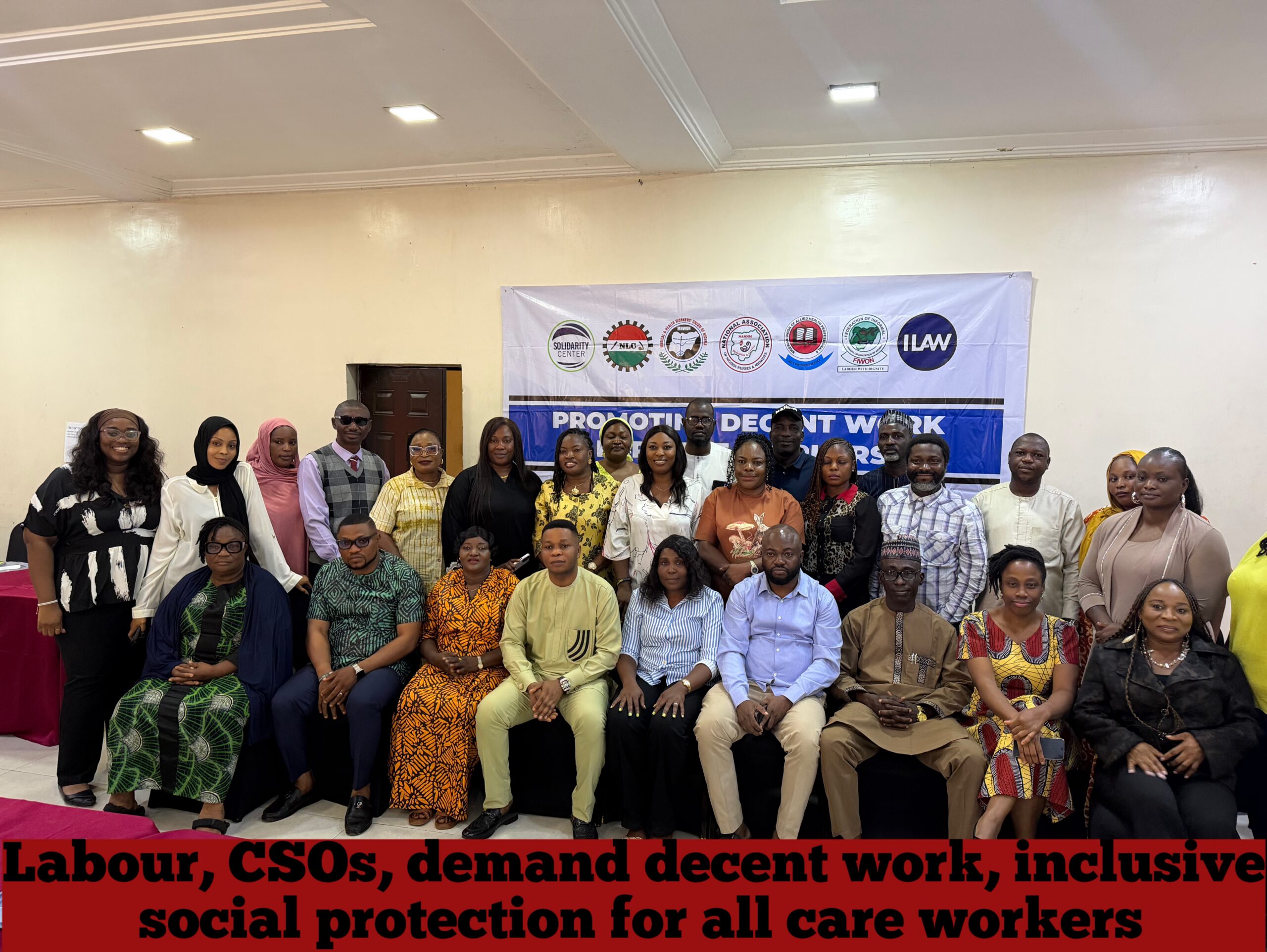
Labour, CSOs, demand decent work, inclusive social protection for all care workers
Spread the loveThe Coalition of Civil Society Organisations and Labour Unions has called for urgent reforms to improve the welfare, wages and working conditions of care workers across Nigeria, describing them as the backbone of society and a critical driver of the nation’s economy. Speaking at the Care Economy Sector…
Spread the loveThe Coalition of Civil Society Organisations and Labour Unions has called for urgent reforms to improve the welfare, wages and working conditions of care workers across Nigeria, describing them as the backbone of society and a critical driver of the nation’s economy. Speaking at the Care Economy Sector…

Spain beat France 2-0 to reach World Cup final
Spread the loveSpain booked their place in the final of the 2026 FIFA World Cup after defeating France 2-0 in Tuesday’s semi-final at Dallas Stadium, Arlington. The Spaniards produced another composed display to end France’s title hopes and move within one victory of lifting the World Cup trophy. Luis de…
Spread the loveSpain booked their place in the final of the 2026 FIFA World Cup after defeating France 2-0 in Tuesday’s semi-final at Dallas Stadium, Arlington. The Spaniards produced another composed display to end France’s title hopes and move within one victory of lifting the World Cup trophy. Luis de…